
Ways to Save Water in the Garden
A beautiful garden doesn't have to use a lot of water. By choosing plants carefully, improving the soil, watering efficiently, and designing the landscape to work with your climate, you can create a healthy and attractive garden while using much less water.
Choose Water-Wise Plants
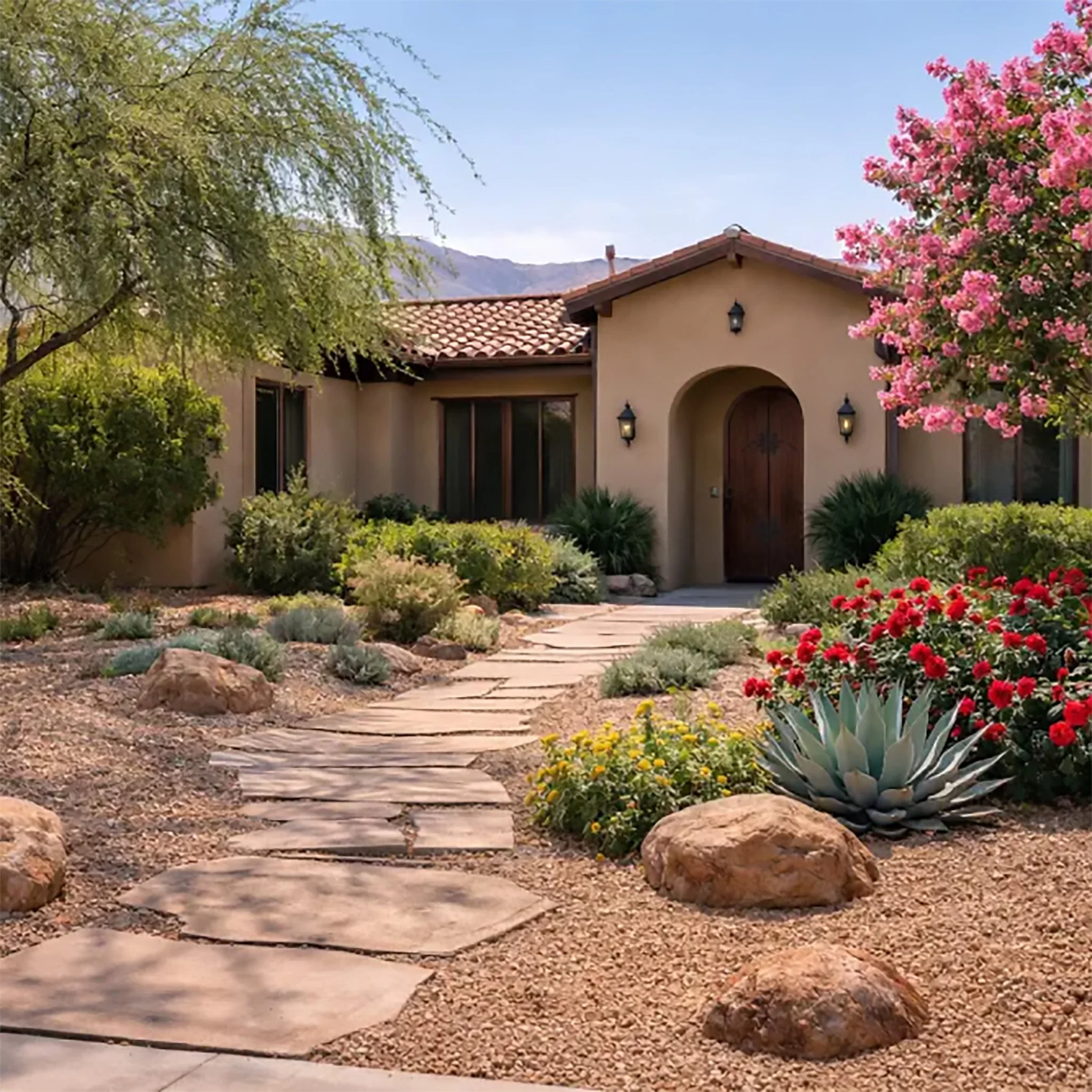
One of the most effective ways to reduce outdoor water use is to choose plants that are naturally suited to your climate. Native plants and other drought-tolerant species are adapted to local temperatures, rainfall patterns, soils, and growing conditions. Look for plants that can thrive with little supplemental irrigation once established. Cacti, succulents, desert trees, shrubs, grasses, wildflowers, and many perennial plants can provide color, texture, shade, and habitat without requiring the same amount of water as thirsty landscape plants.
Water-wise does not mean boring. A low-water garden can include colorful flowers, flowering trees, interesting foliage, dramatic shapes, and plants that attract butterflies, bees, hummingbirds, and other wildlife.
Rethink the Lawn
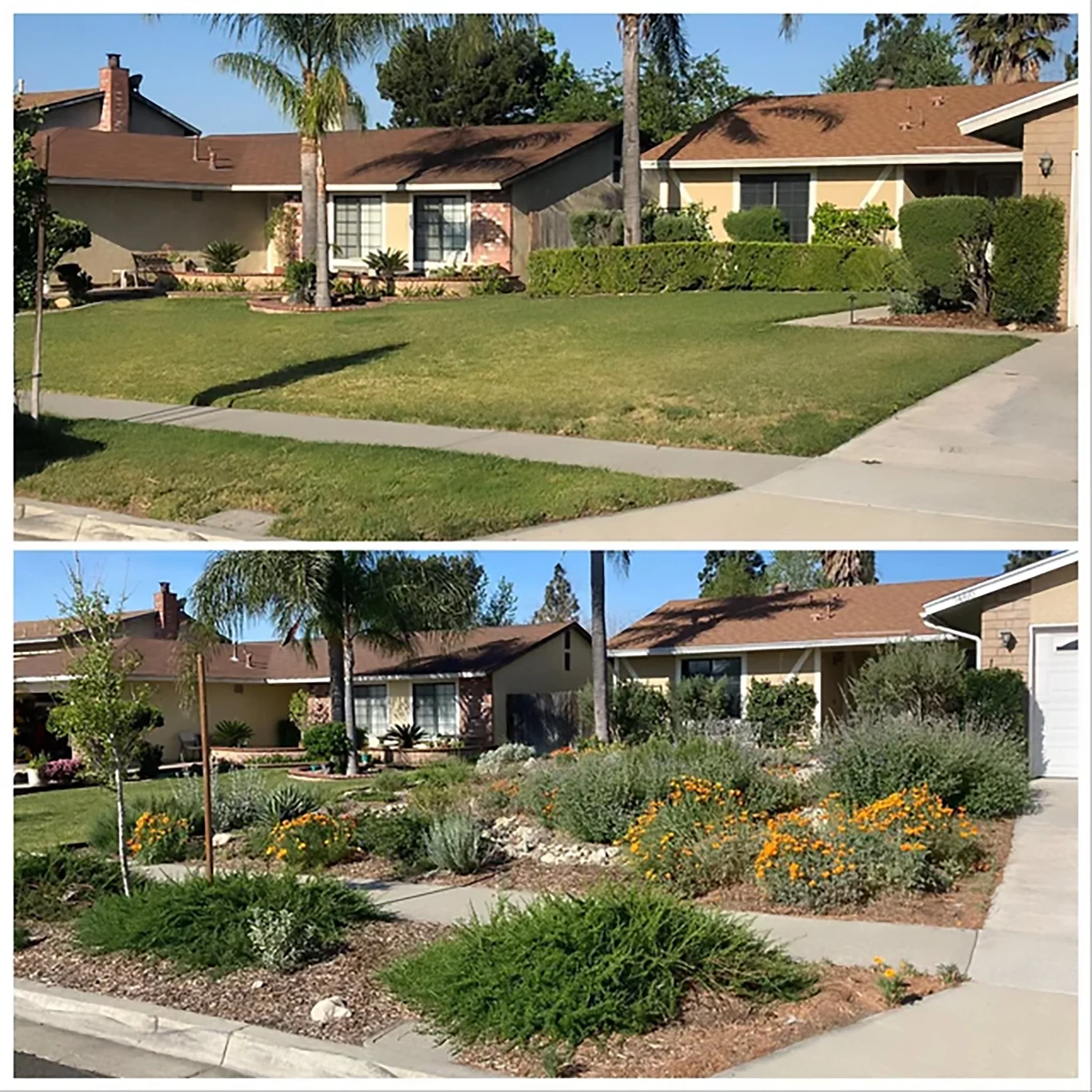
The easiest lawn to water is no lawn at all. Traditional lawns can require frequent irrigation to remain green, especially in hot and dry climates. Instead of covering an entire yard with turf, consider replacing lawn with a combination of water-wise trees, shrubs, flowering plants, native grasses, groundcovers, rock gardens, and pathways.
A lawn-free landscape can also reduce mowing, fertilizer use, maintenance, and the energy required to keep grass looking green during periods of drought. You don't have to replace an entire lawn at once. Start with areas that are difficult to maintain or rarely used, then gradually convert them into attractive planting beds or other useful spaces.
Water Deeply and Less Often
Frequent, shallow watering can encourage plants to develop shallow root systems. When appropriate for the plant, deeper and less frequent watering encourages roots to grow farther into the soil where moisture may remain available longer. Water slowly enough that it soaks into the root zone instead of running across the surface. The proper watering schedule will vary by plant, soil, season, and climate, so check the soil and plants rather than relying on a fixed schedule.
Water at the Right Time
Water during the early morning or evening, when temperatures are cooler and evaporation is lower. Avoid watering during the hottest part of the day, particularly during periods of extreme heat. Adjust irrigation throughout the year. Plants generally need more water during periods of active growth and extreme heat and much less during cooler or dormant periods.
Capture Rainwater
Don't let valuable rainwater simply run down the street. Use downspouts, grading, shallow basins, swales, rain gardens, and other landscape features to direct rainfall toward areas where it can soak into the soil. Where permitted, rain barrels and other collection systems can also capture water for later garden use. The goal is to slow, spread, and sink rainfall rather than allowing it to quickly run off the property.
Improve the Soil
Healthy soil can help a garden make better use of every drop of water. Depending on your soil and the plants you're growing, adding compost or other organic matter can improve soil structure and its ability to hold moisture. Avoid excessive soil disturbance, which can damage soil structure and disrupt beneficial organisms.
Mulch, Mulch, Mulch
A layer of mulch can significantly reduce water lost from the soil through evaporation. Mulch also helps moderate soil temperatures, suppress weeds, and protect soil from drying winds and intense sunlight. Use organic mulch such as shredded bark, wood chips, or compost where appropriate. In Southwest landscapes, gravel, rock, and other inorganic mulches can also be useful around plants that prefer exceptionally well-drained conditions. Keep mulch away from the trunks and stems of plants to prevent moisture-related problems.
Use Drip Irrigation
Drip irrigation places water directly around the plant's root zone rather than spraying large areas of soil, pavement, or foliage. Check your system regularly. A cracked tube, disconnected emitter, or broken irrigation line can waste water without being obvious right away. Separate plants into irrigation zones based on their water needs. Trees, shrubs, vegetables, and high-water plants don't all need to be watered on the same schedule.
Give Trees Special Attention
Trees are a long-term investment in the landscape. They provide shade, wildlife habitat, beauty, and—when properly placed—can help cool outdoor spaces. Water newly planted trees regularly while they establish their root systems. Once established, many climate-appropriate trees can survive with considerably less supplemental irrigation. Planting trees in appropriate locations can also shade smaller plants and reduce evaporation from surrounding soil.
Use Shade Wisely
Intense afternoon sun and hot, dry winds can quickly pull moisture from soil and plants. Use existing trees, structures, shade cloth, and thoughtful plant placement to protect sensitive plants during extreme heat. Planting taller trees and shrubs where they can eventually shade lower-growing plants can create cooler microclimates throughout the garden.
Group Plants by Water Needs
Create hydrozones by grouping plants with similar water requirements together. For example, thirsty vegetables can occupy one area, moderate-water flowering plants another, and drought-tolerant cacti and succulents a separate zone. This prevents the entire landscape from being watered according to the needs of the plants that require the most water.
Plant at the Right Time
Timing matters, particularly in hot climates. In the Southwest, fall provides a second important planting season. Planting during the cooler months gives many trees, shrubs, perennials, and other plants time to establish roots before the intense heat of summer arrives. Avoid planting large numbers of new plants immediately before or during the hottest part of the year whenever possible. New plants require more frequent irrigation while their root systems become established.
Control Weeds
Weeds compete with garden plants for water, nutrients, and sunlight. Removing weeds while they are small helps keep more of the available moisture where you want it—around your landscape plants. A good layer of mulch can also reduce weed growth and decrease evaporation at the same time.
Don't Forget Container Gardens
Container plants can dry out much faster than plants growing in the ground. Choose appropriately sized containers, use a quality growing medium, and group pots together when practical. Larger containers generally hold moisture longer than small pots. Containers can also be positioned where they receive some afternoon protection from intense heat.
Check for Leaks
Inspect hoses, faucets, irrigation lines, emitters, and connections regularly. A small leak that goes unnoticed for weeks can waste a considerable amount of water. If an irrigation zone seems unusually wet, dry, or inconsistent, check the system rather than simply increasing the watering time.
Reuse Water When Appropriate
Some household water can be put to use in the garden. For example, leftover drinking water or water collected while waiting for a shower to warm up can be used for appropriate plants. Avoid putting water containing bleach, harsh cleaners, detergents, or other chemicals on plants or into garden soil.
Create a Wildlife-Friendly Garden
A water-wise garden can also become a valuable habitat for pollinators and other wildlife. Choose native flowering plants and provide a variety of bloom times, plant heights, and shelter. You don't need a large lawn to create a useful outdoor space. Replacing turf with diverse, water-wise plants can provide considerably more habitat while reducing irrigation needs.
Think Beyond the Traditional Yard
A water-conscious landscape doesn't have to look like a field of gravel and cactus. Consider combining:
Native trees for shade
Low-water flowering shrubs
Native wildflowers
Cacti and succulents
Pollinator plants
Edible plants suited to the climate
Groundcovers
Decorative rock and pathways
Rain gardens and water-capture areas
Seating and outdoor living spaces
The result can be a landscape that is beautiful, functional, wildlife-friendly, and dramatically less dependent on irrigation.
Every Drop Counts
Water conservation in the garden isn't about giving up the plants you love. It's about making thoughtful choices—planting for your climate, eliminating unnecessary lawns, watering efficiently, capturing rainfall, protecting soil, and choosing plants that can thrive with less water. When every part of the landscape is designed with water in mind, a beautiful garden can use far less of this increasingly precious resource.