

Understanding the Urban Heat Island Effect
Cities and developed areas can be significantly hotter than the surrounding countryside. This is known as the urban heat island effect. Buildings, roads, sidewalks, parking lots, and other hard surfaces absorb and store heat from the sun, then slowly release it—especially after sunset. At the same time, cities often have less vegetation and exposed soil to provide shade and cool the air through evapotranspiration. As a result, urban areas can be hotter, with the greatest differences often occurring during hot, sunny days and continuing into the evening.
Why Does It Matter?
The urban heat island effect can make already-hot environments feel even hotter. Higher temperatures can increase cooling demands, contribute to heat stress, and create challenging growing conditions for plants. Adding vegetation is one way to help. Trees, shrubs, grasses, and wildflowers can provide shade, cover exposed soil, and cool their surroundings through natural processes. Even smaller planted areas can contribute to a greener, more comfortable urban landscape.
For Southwest gardeners, choosing plants adapted to local heat, soil, and water conditions matters most. By incorporating appropriate native and Southwest-adapted plants into yards, gardens, and other developed spaces, we can create landscapes that are better suited to our climate while adding valuable habitat and seasonal color.
Grow Plants That Belong Here
One of the best ways to create a resilient Southwest garden is to choose native and regionally adapted plants. These plants are suited to local conditions and can often tolerate intense sun, heat, poor soils, and periods of limited rainfall better than plants that come from cooler or wetter climates. Wildflowers, native grasses, shrubs, and other drought-tolerant plants can bring color and habitat to your yard without requiring a constant supply of water. Choose plants based on your specific growing conditions—including sun exposure, soil, elevation, and local rainfall.
Use Water Where It Matters Most
Water conservation starts with putting the right plant in the right place. Group plants with similar water needs together, and give thirsty plants the water they need without overwatering those that can thrive with less.
A few simple practices can make a big difference:
Choose drought-tolerant plants adapted to your region.
Water deeply and less frequently rather than giving plants frequent, shallow watering.
Water in the early morning or evening to reduce water lost to evaporation.
Use mulch to help keep soil cooler and retain moisture.
Improve your soil where appropriate so it can hold moisture while still allowing good drainage.
Let seasonal conditions guide your watering rather than following a fixed schedule year-round.
Create a Cooler, Greener Yard
A garden can do more than add beauty. Vegetation helps shade soil and surrounding surfaces, while plants release moisture through evapotranspiration. Trees and larger plants can provide meaningful shade, while lower-growing plants and wildflowers can cover bare ground and create habitat for pollinators and other wildlife. You don't need to transform your entire yard at once. Start with a small area, choose plants suited to your Southwest region, and build from there.
A Southwest-friendly garden isn't about growing less—it's about growing smarter. By choosing plants adapted to local conditions and using water thoughtfully, you can create a beautiful landscape that works with the climate rather than against it.
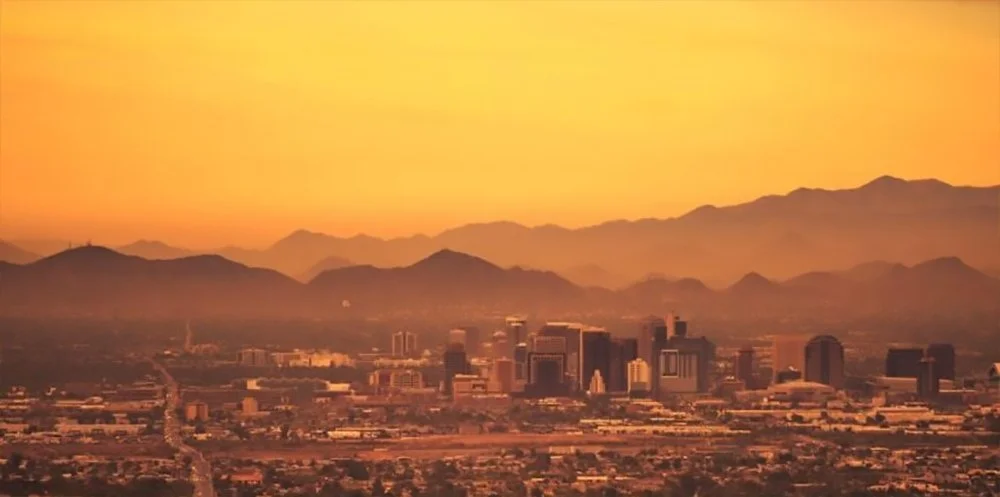
The urban heat island (UHI) effect gets its name because built-up cities form distinct, warmer pockets of air that stand out like hot "islands" of temperature compared to cooler, surrounding rural countryside.
History of the Name
First Discovered (1810s): Amateur British meteorologist Luke Howard first recorded the phenomenon. He noted that central London was consistently warmer than the nearby countryside.
Name Coined (1929): German meteorologist Albert Peppler coined the literal German term "städtischen Wärmeinsel" (urban heat island), describing it as a hot, stagnant mass of air lingering over a city.
Visual Confirmation: Modern thermal satellite maps display city temperatures radiating so sharply against cooler rural suburbs that the "island" visual description became permanently cemented in science and everyday language.