Choose the Right Wildflowers for Your Southwest Region
The Southwest isn’t one-size-fits-all when it comes to growing wildflowers. Elevation, rainfall, temperature, and soil conditions can vary dramatically—from low desert valleys to high mountain meadows. To make choosing the right mix easier, Desert Roots Nursery has put together seed mixes featuring resilient native and Southwest-adapted wildflowers selected for each of the three different growing regions in the Southwest. Each regional mix features seeds chosen to thrive in the conditions of that zone.
Find your region below to choose the wildflower seed mix designed for your Southwest landscape.
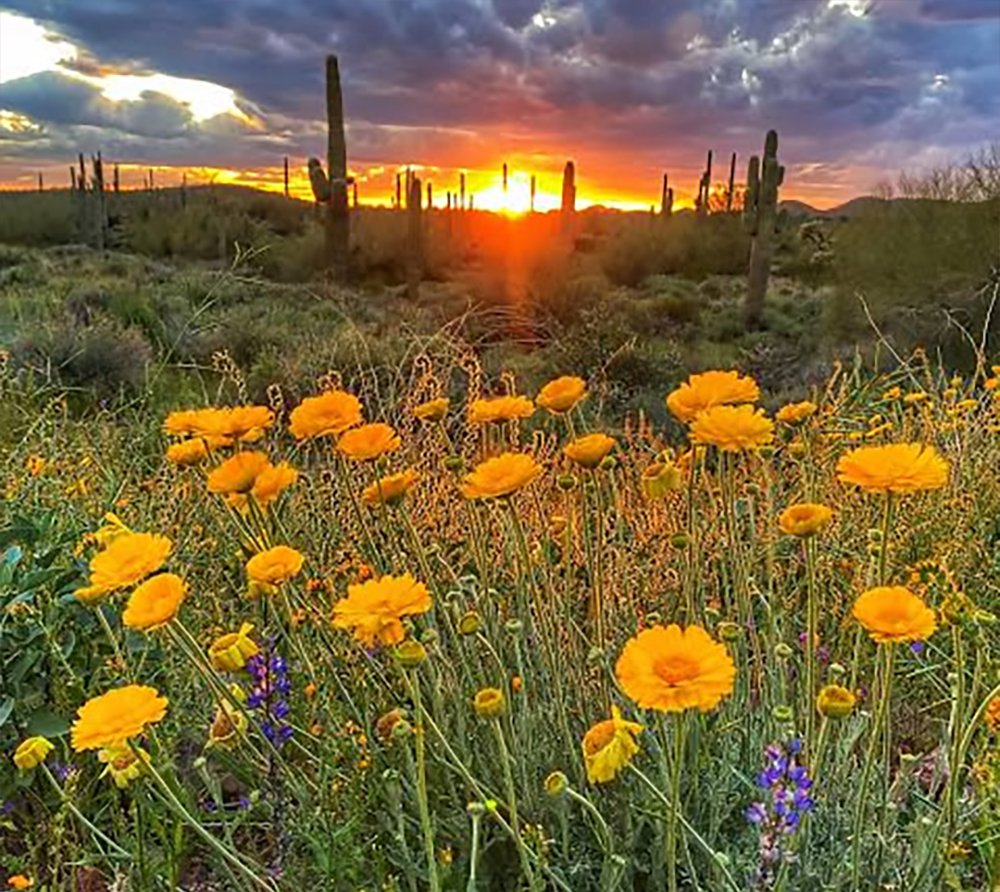
Region 1: Low Desert Basins — USDA Zones 8b–11a
Climate & Gardening Conditions:
Low desert basins have extremely hot, long summers, mild winters, intense sunlight, and relatively low annual rainfall. Precipitation is often concentrated in two seasonal periods: cool-season winter rains and summer monsoon storms. Summer heat can become extreme enough to rapidly dry the soil and stress or kill plants that are not adapted to desert conditions. High evaporation rates create a challenging environment for moisture-sensitive plants.
Garden soils commonly range from sandy and gravelly soils to heavy clay and caliche, and many are alkaline with limited organic matter. Successful gardening in this region depends heavily on selecting plants adapted to heat, drought, intense sun, alkaline soils, and rapid shifts between wet and dry conditions. The relatively mild winter allows many desert-adapted plants to grow during the cooler months before summer temperatures become extreme.
Key Applicable Cities:
Arizona: Bullhead City; Casa Grande; Chandler; Gilbert; Lake Havasu City; Phoenix; Scottsdale; Yuma
California: Blythe; Coachella; El Centro; Indio; Palm Desert; Palm Springs
Nevada: Boulder City; Laughlin; Las Vegas; Mesquite
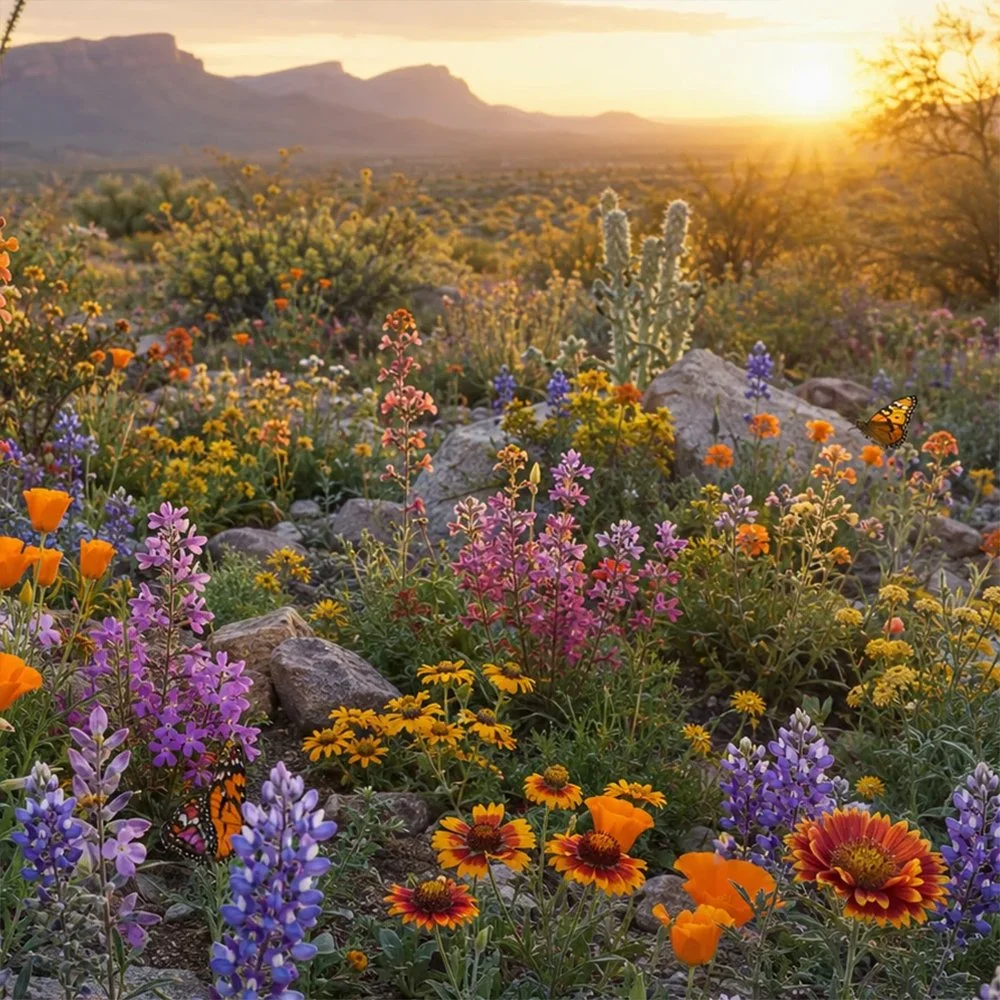
Region 2: High Desert & Transition Foothills — USDA Zones 6a–8a
Climate & Gardening Conditions:
High-desert and transition regions have greater seasonal temperature variation, colder winters, shorter growing seasons, and more pronounced freezing periods than the low desert. Elevation creates significant differences in local climate, and conditions can range from relatively mild desert environments to areas that regularly experience snow and prolonged winter freezes.
Moisture is generally more seasonal than in wetter regions, with winter precipitation, snowfall, spring runoff, and occasional summer thunderstorms contributing to annual moisture. The combination of cold winters and dry summers strongly influences which plants can survive and thrive.
Soils vary widely but often include rocky, gravelly, sandy, alkaline, or clay-based soils, usually with relatively low organic matter. Regional gardening favors plants adapted to cold winters, intense sunlight, drought, alkaline soils, and dramatic temperature fluctuations. Transition zones can be particularly diverse because they may support plants from both desert and colder upland environments.
Key Applicable Cities:
Arizona: Bisbee; Flagstaff; Globe; Page; Prescott; Sedona; Sierra Vista; Show Low; Willcox
Nevada: Carson City; Elko; Fallon; Reno; Winnemucca
New Mexico: Albuquerque; Gallup; Roswell; Santa Fe
Utah: Moab; St. George
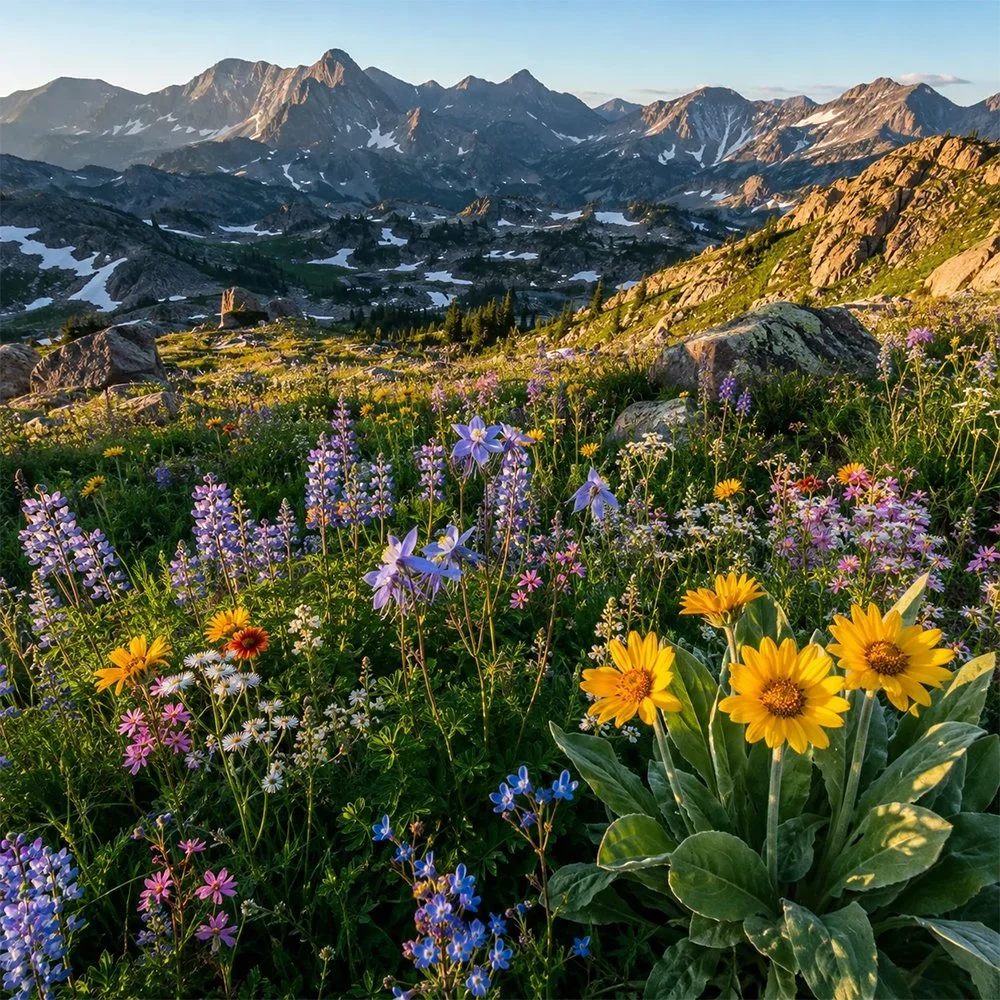
Region 3: Montane & High Plateau — USDA Zones 4b–5b
Climate & Gardening Conditions:
Montane and high-plateau regions have cold, snowy winters, short growing seasons, late spring frosts, cool summers, and large day-to-night temperature swings. Snowpack may persist for extended periods, creating a prolonged period of dormancy followed by a relatively short growing season once temperatures rise.
Spring temperatures can fluctuate considerably, and hard frosts may occur well into late spring. Summers are generally cooler than those of desert regions, although high-elevation sunlight can be intense, and soils can dry rapidly during prolonged summer weather.
Garden soils are often rocky, gravelly, sandy, or relatively low in organic matter, although local conditions vary considerably. Successful gardening in these areas favors plants adapted to cold temperatures, snow cover, short growing seasons, intense sunlight, well-drained soils, and substantial seasonal temperature fluctuations.
Key Applicable Cities:
Colorado: Alamosa; Gunnison; Leadville; Steamboat Springs
Nevada: Baker; Elko; Ely; Wells
New Mexico: Chama
Utah: Park City; Vernal