
 Image 1 of 3
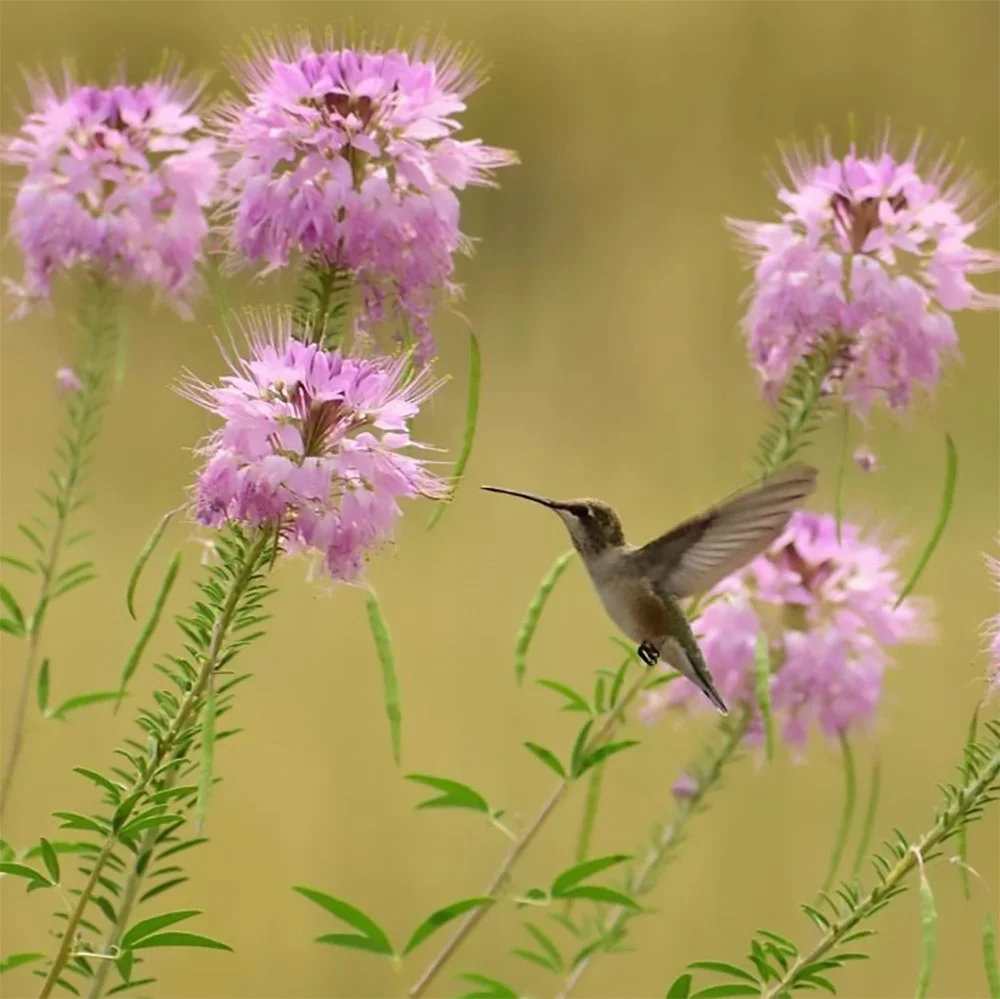 Image 2 of 3
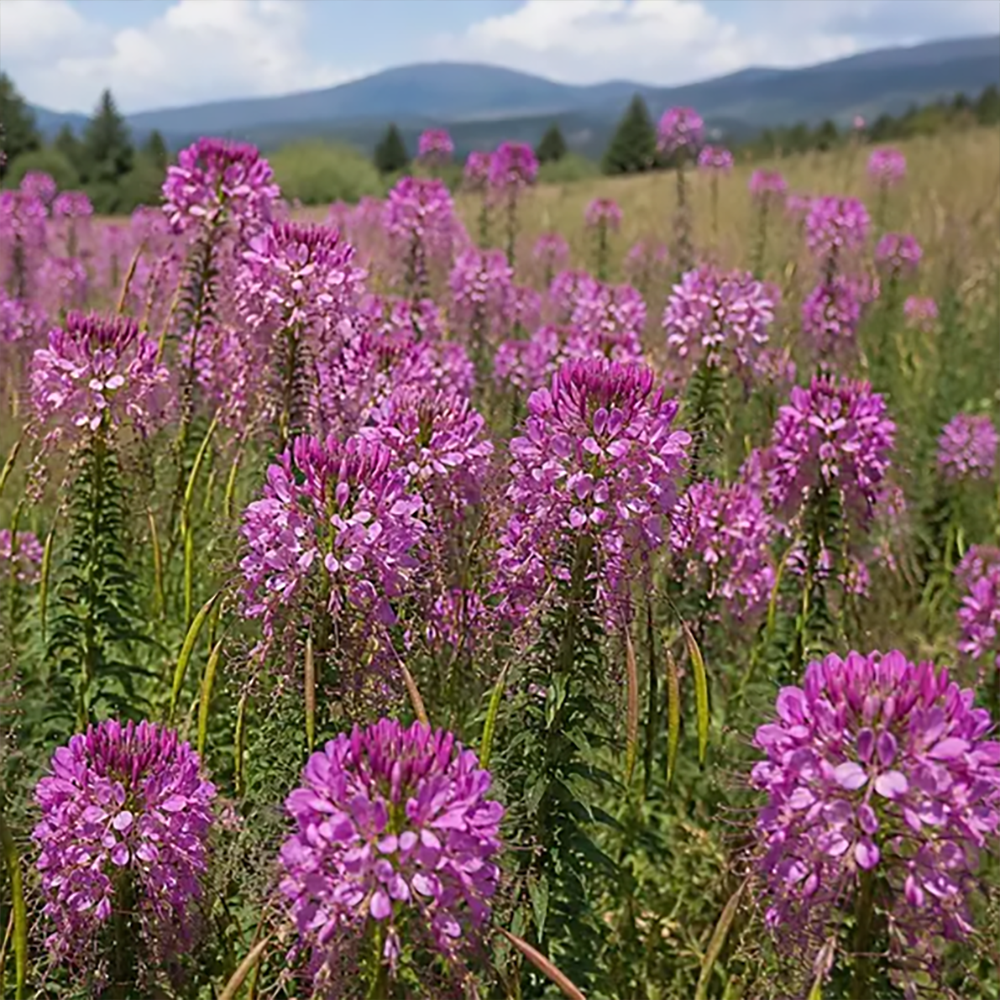 Image 3 of 3
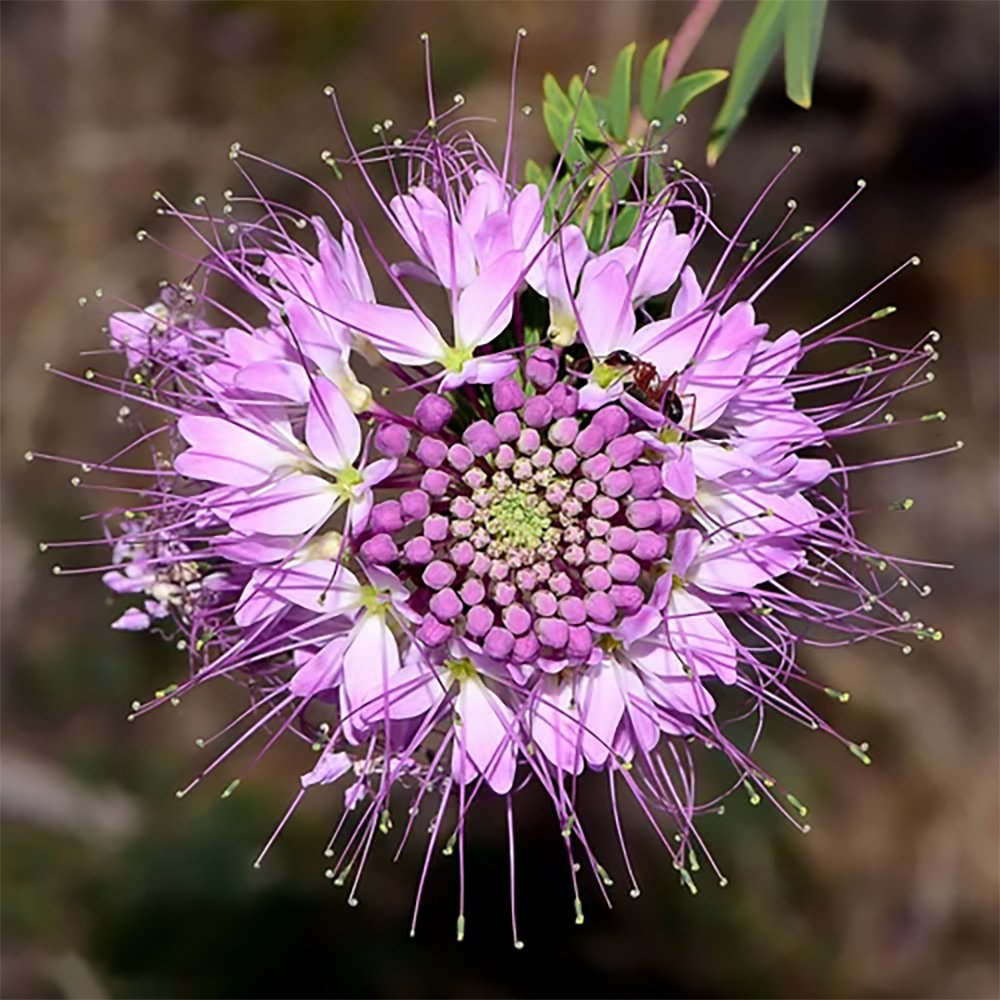
Cleomella serrulata, commonly known as Rocky Mountain Bee Plant or Rocky Mountain Beeplant, is a showy annual native to western and central North America, including the Southwest. Also sold as Cleome serrulata or Peritoma serrulata, it produces airy clusters of pink to lavender flowers with long, delicate stamens. Its summer blooms provide pollen and nectar for native bees and honeybees, making it a colorful addition to bee gardens. Plants typically reach 3–5 feet tall, developing a branching habit, and their seeds provide food for doves and other birds.
Grow in full sun and well-drained soil. Drought tolerant once established, it benefits from occasional deep watering during prolonged dry weather to support growth and flowering. This warm-season annual grows across a broad range of climates where the frost-free season is long enough; perennial USDA hardiness ratings do not describe its winter survival. Plants complete their life cycle in one season and may reseed generously.
Sow in late fall for natural winter chilling, or provide approximately 2–6 weeks of cold, moist stratification before spring sowing, following your seed packet’s instructions. Keep the seedbed lightly moist during germination and early growth. Plant Rocky Mountain Bee Plant seeds to bring summer color and busy bees to your garden!
THIS LISTING IS FOR A PACK OF APPROX. 440 SEEDS (1/10 OZ.)
Cleomella serrulata, commonly known as Rocky Mountain Bee Plant or Rocky Mountain Beeplant, is a showy annual native to western and central North America, including the Southwest. Also sold as Cleome serrulata or Peritoma serrulata, it produces airy clusters of pink to lavender flowers with long, delicate stamens. Its summer blooms provide pollen and nectar for native bees and honeybees, making it a colorful addition to bee gardens. Plants typically reach 3–5 feet tall, developing a branching habit, and their seeds provide food for doves and other birds.
Grow in full sun and well-drained soil. Drought tolerant once established, it benefits from occasional deep watering during prolonged dry weather to support growth and flowering. This warm-season annual grows across a broad range of climates where the frost-free season is long enough; perennial USDA hardiness ratings do not describe its winter survival. Plants complete their life cycle in one season and may reseed generously.
Sow in late fall for natural winter chilling, or provide approximately 2–6 weeks of cold, moist stratification before spring sowing, following your seed packet’s instructions. Keep the seedbed lightly moist during germination and early growth. Plant Rocky Mountain Bee Plant seeds to bring summer color and busy bees to your garden!
THIS LISTING IS FOR A PACK OF APPROX. 440 SEEDS (1/10 OZ.)