
 Image 1 of 3
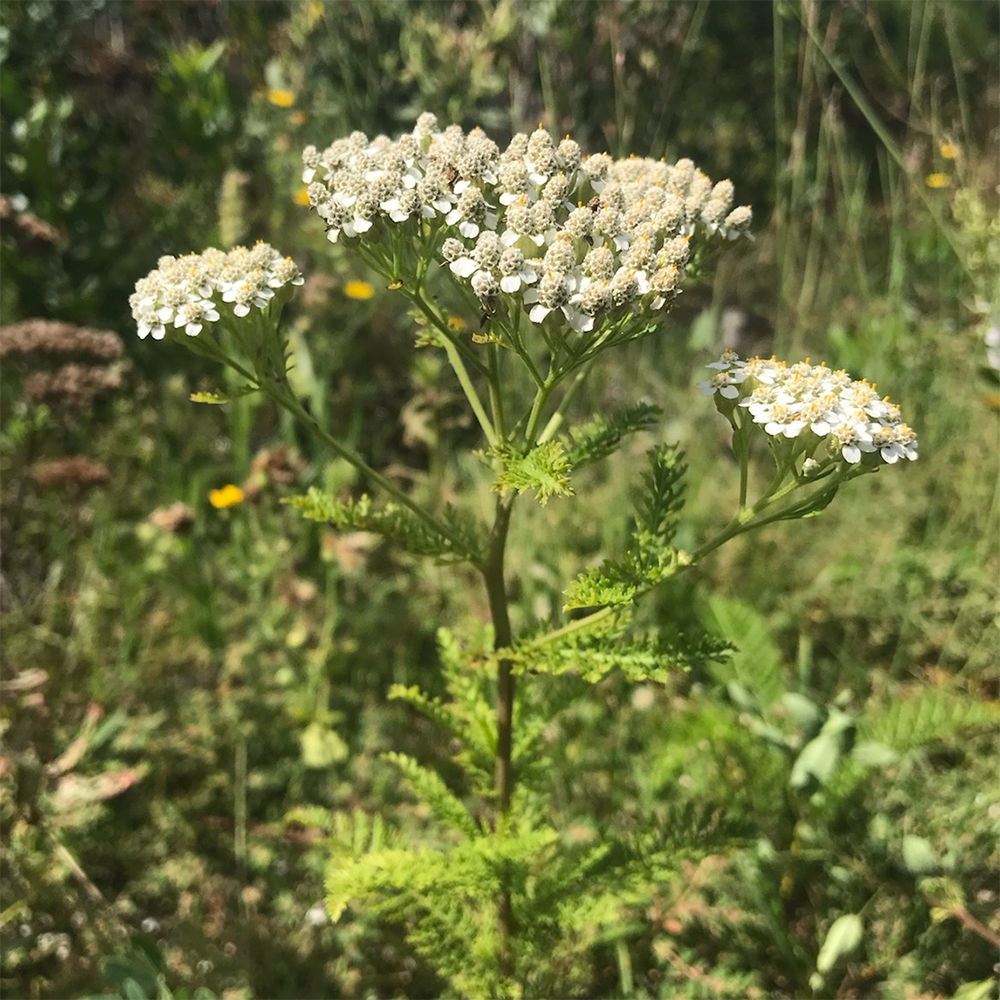 Image 2 of 3
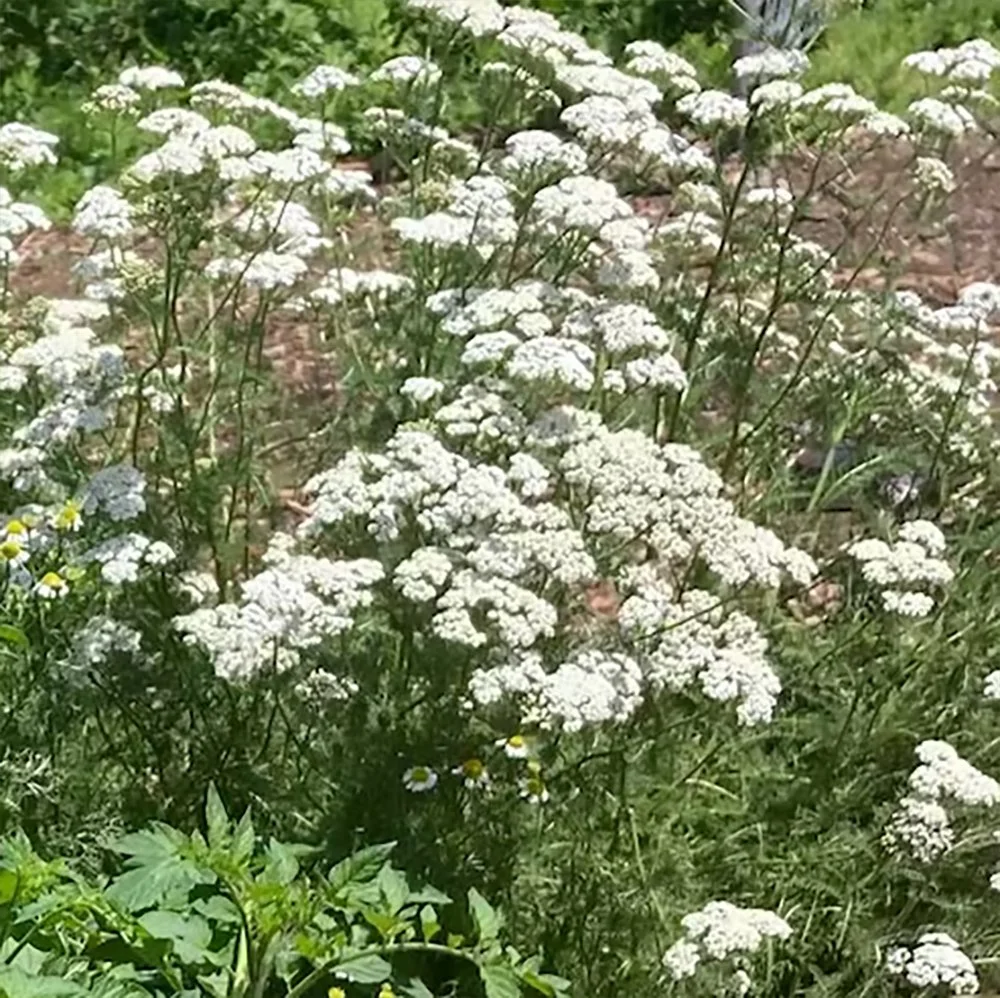 Image 3 of 3
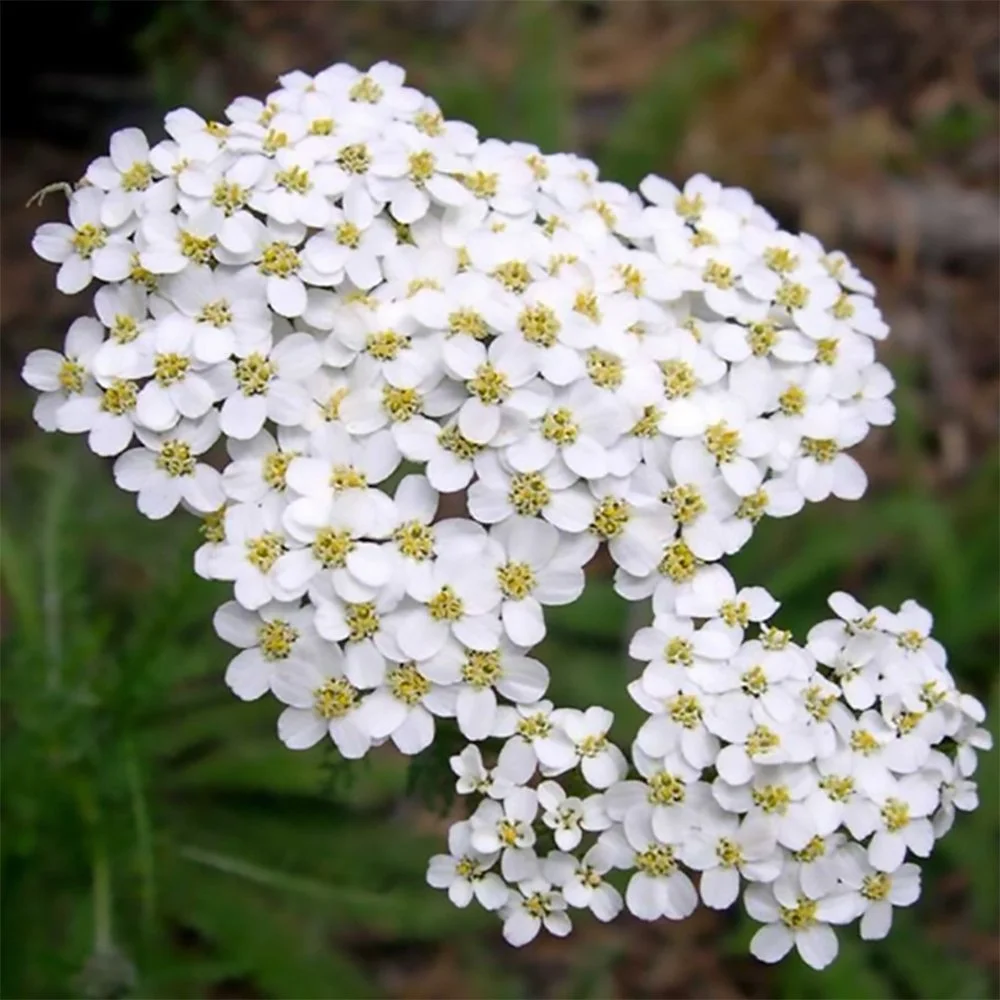
Achillea millefolium var. occidentalis, commonly known as Western Yarrow, is a hardy perennial native to western North America, including the Southwest. Its aromatic, fernlike foliage is topped with flat clusters of small white flowers from late spring through summer, feeding native bees, butterflies, and beneficial insects. Mature plants generally reach approximately 1–3 feet tall × 1–3 feet wide, gradually forming larger patches through underground rhizomes. Grow in full sun and well-drained soil, watering regularly during establishment and occasionally during prolonged drought. Suitable for USDA Zones 3–9, established plants tolerate winter frost; Zone 3 represents average annual extreme lows of −40 to −30°F, although cold tolerance varies with seed origin and growing conditions. Western Yarrow also tolerates hot summers, but a reliable maximum temperature has not been established. Avoid excessive fertilizer and persistently wet soil.
THIS LISTING IS FOR A PACK OF APPROX. 17500 SEEDS (1/10 OZ.)
Achillea millefolium var. occidentalis, commonly known as Western Yarrow, is a hardy perennial native to western North America, including the Southwest. Its aromatic, fernlike foliage is topped with flat clusters of small white flowers from late spring through summer, feeding native bees, butterflies, and beneficial insects. Mature plants generally reach approximately 1–3 feet tall × 1–3 feet wide, gradually forming larger patches through underground rhizomes. Grow in full sun and well-drained soil, watering regularly during establishment and occasionally during prolonged drought. Suitable for USDA Zones 3–9, established plants tolerate winter frost; Zone 3 represents average annual extreme lows of −40 to −30°F, although cold tolerance varies with seed origin and growing conditions. Western Yarrow also tolerates hot summers, but a reliable maximum temperature has not been established. Avoid excessive fertilizer and persistently wet soil.
THIS LISTING IS FOR A PACK OF APPROX. 17500 SEEDS (1/10 OZ.)