
 Image 1 of 3
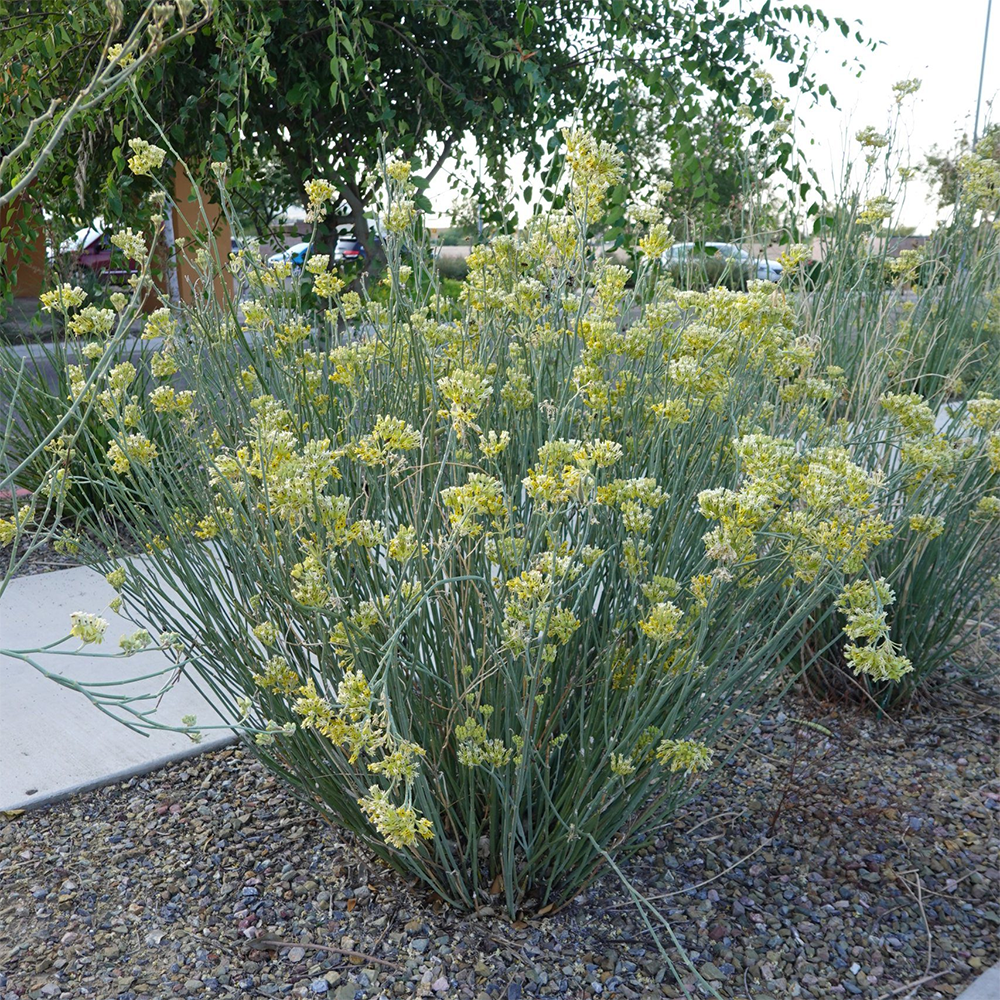 Image 2 of 3
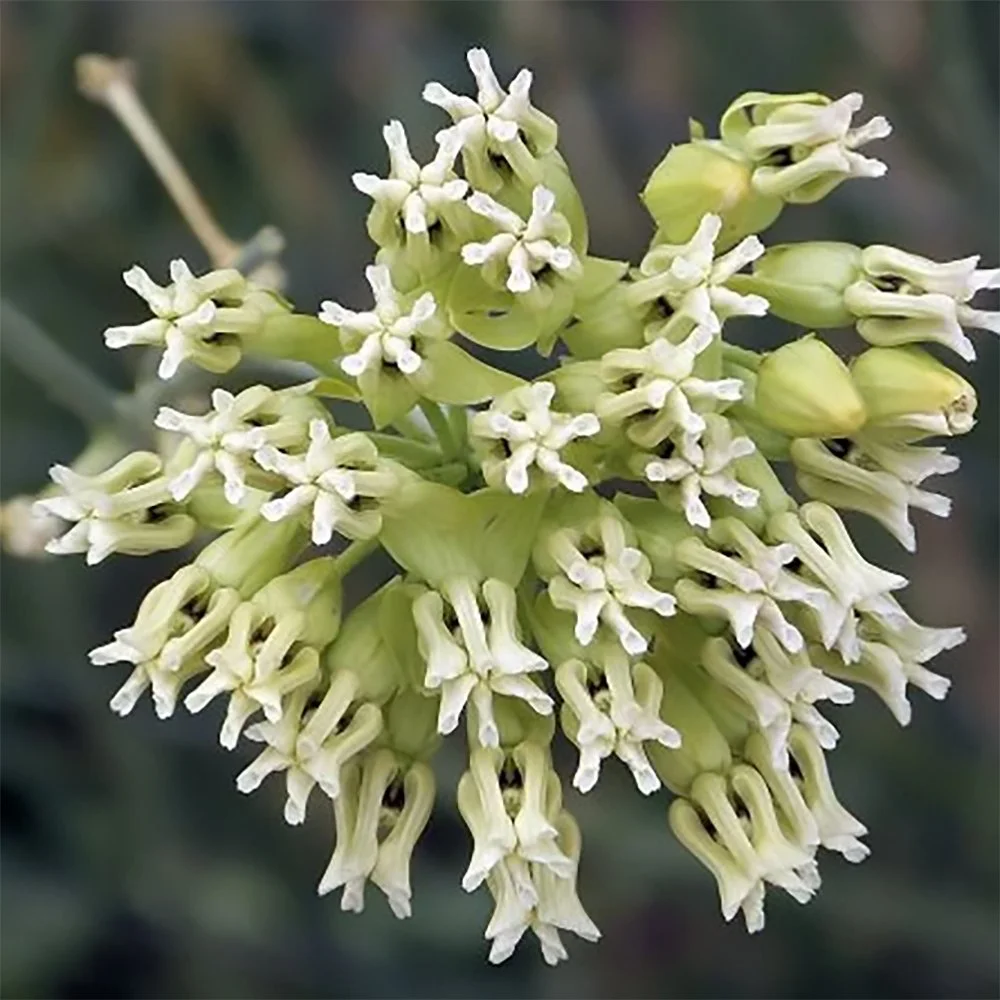 Image 3 of 3
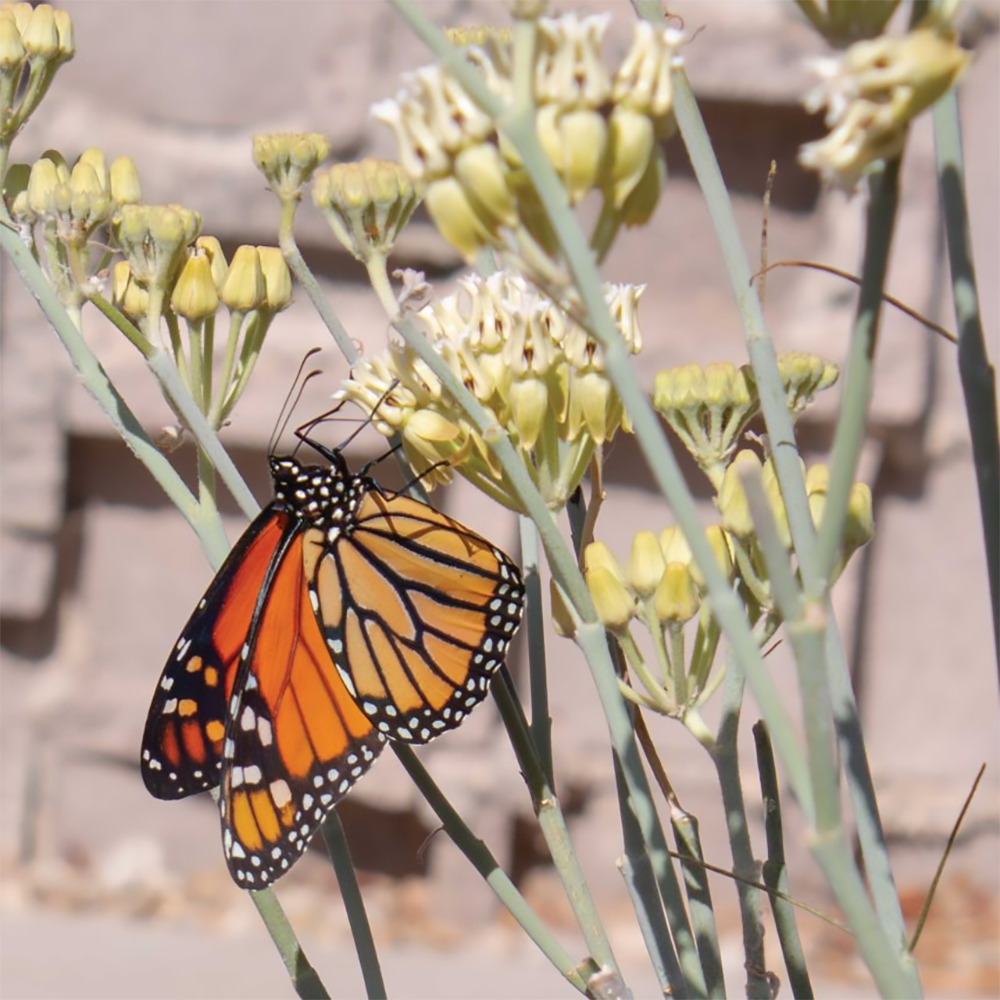
Desert Milkweed (Asclepias subulata), also known as Rush Milkweed, is a distinctive Southwestern native perennial prized for its upright, nearly leafless blue-green stems and clusters of creamy white to pale-yellow flowers. Native to the Sonoran and Mojave deserts of Arizona, California, Nevada, Baja California, and northwestern Mexico, this heat-loving milkweed is exceptionally well adapted to hot, dry landscapes. Mature plants typically reach about 3–5 feet tall and 2–3 feet wide, forming an airy, sculptural clump that works beautifully in xeriscapes, native gardens, pollinator gardens, and alongside cacti, agaves, and other low-water plants. Hardy in USDA Zones 9–11, Desert Milkweed thrives in full sun and well-drained sandy, gravelly, or rocky soil and tolerates extreme summer heat and temperatures around 25°F to 115°F or higher once established. It requires little supplemental water after establishment and should not be kept consistently wet. Desert Milkweed is an important host plant for monarch and queen butterfly caterpillars, while its flowers provide nectar for butterflies, bees, and other pollinators.
Milkweed contains toxic cardiac glycosides and should be kept away from pets, livestock, and children.
THIS LISTING IS FOR A PACKET OF 25 SEEDS.
Desert Milkweed (Asclepias subulata), also known as Rush Milkweed, is a distinctive Southwestern native perennial prized for its upright, nearly leafless blue-green stems and clusters of creamy white to pale-yellow flowers. Native to the Sonoran and Mojave deserts of Arizona, California, Nevada, Baja California, and northwestern Mexico, this heat-loving milkweed is exceptionally well adapted to hot, dry landscapes. Mature plants typically reach about 3–5 feet tall and 2–3 feet wide, forming an airy, sculptural clump that works beautifully in xeriscapes, native gardens, pollinator gardens, and alongside cacti, agaves, and other low-water plants. Hardy in USDA Zones 9–11, Desert Milkweed thrives in full sun and well-drained sandy, gravelly, or rocky soil and tolerates extreme summer heat and temperatures around 25°F to 115°F or higher once established. It requires little supplemental water after establishment and should not be kept consistently wet. Desert Milkweed is an important host plant for monarch and queen butterfly caterpillars, while its flowers provide nectar for butterflies, bees, and other pollinators.
Milkweed contains toxic cardiac glycosides and should be kept away from pets, livestock, and children.
THIS LISTING IS FOR A PACKET OF 25 SEEDS.