
 Image 1 of 2
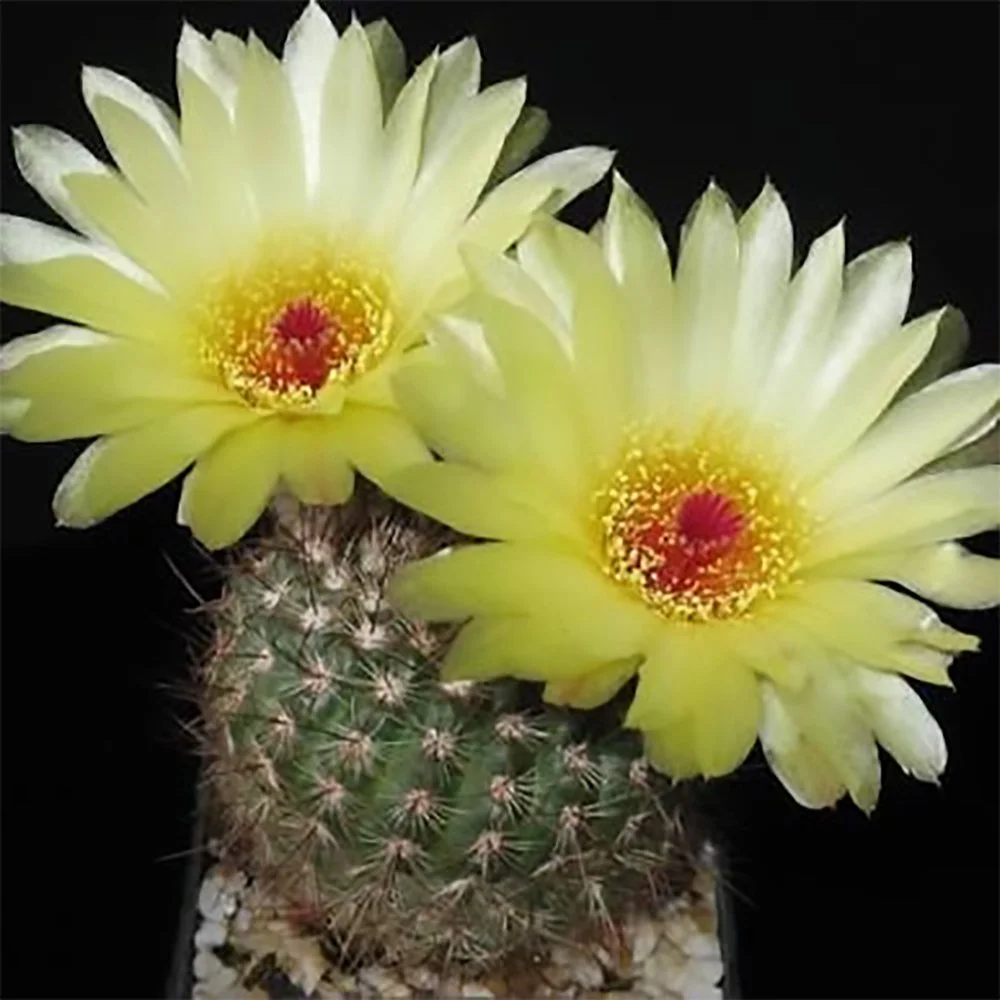 Image 2 of 2
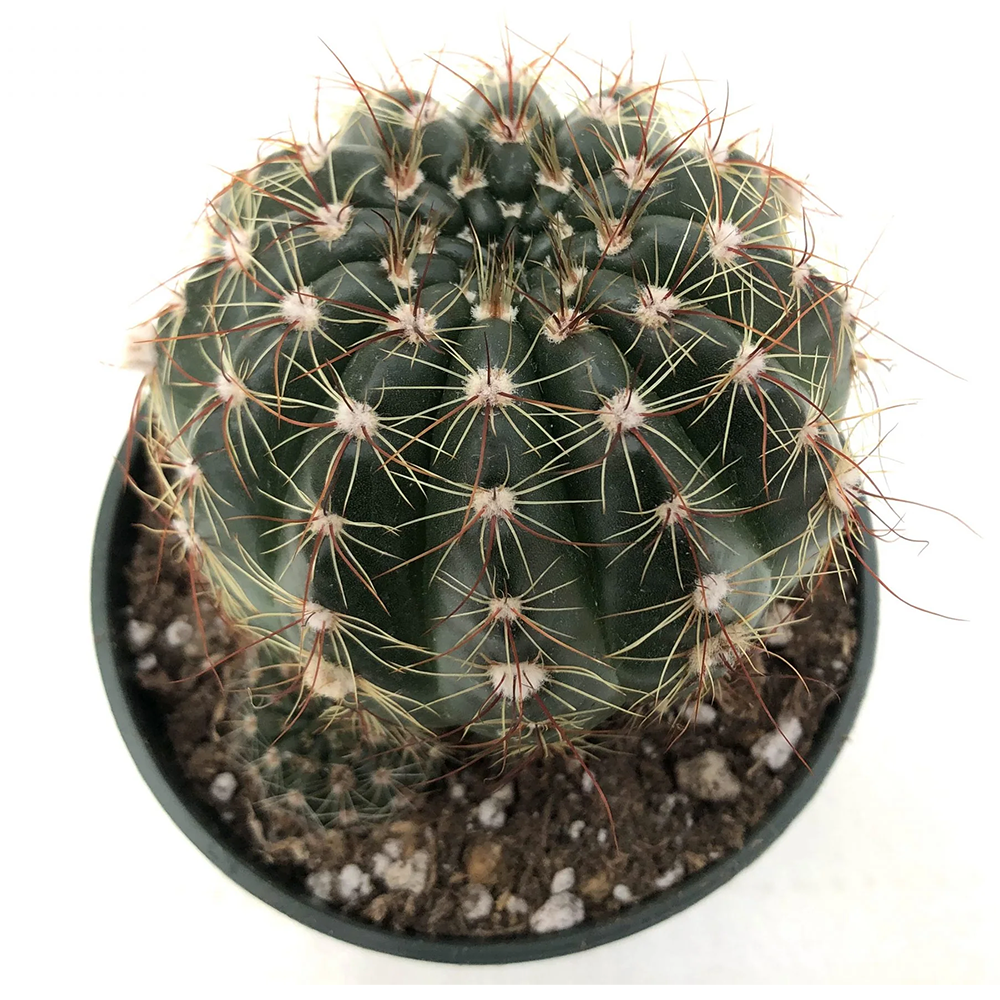
Parodia concinna (syn. Notocactus concinnus), commonly known as Sun Cup Cactus, is a compact, globular cactus prized for its symmetrical ribbed form, golden spines, and large, brilliant yellow flowers. Native to southern Brazil and Uruguay, it grows naturally in rocky grasslands and open areas with excellent drainage. Mature plants typically reach about 3–6 inches tall and 3–5 inches wide, remaining relatively small and making them excellent choices for containers, cactus collections, rock gardens, and sunny windowsills. Mature plants produce showy, funnel-shaped yellow flowers near the crown, generally during spring and summer. Best suited to USDA Zones 9–11 with frost protection, Parodia concinna thrives in bright light to morning sun, fast-draining cactus soil, and warm growing temperatures around 65–85°F. In extremely hot desert climates, provide protection from intense afternoon summer sun. During winter, reduce watering substantially and keep the soil dry; established plants may tolerate brief temperatures around 30–32°F when completely dry, but should be protected from frost and prolonged freezing conditions.
Parodia concinna (syn. Notocactus concinnus), commonly known as Sun Cup Cactus, is a compact, globular cactus prized for its symmetrical ribbed form, golden spines, and large, brilliant yellow flowers. Native to southern Brazil and Uruguay, it grows naturally in rocky grasslands and open areas with excellent drainage. Mature plants typically reach about 3–6 inches tall and 3–5 inches wide, remaining relatively small and making them excellent choices for containers, cactus collections, rock gardens, and sunny windowsills. Mature plants produce showy, funnel-shaped yellow flowers near the crown, generally during spring and summer. Best suited to USDA Zones 9–11 with frost protection, Parodia concinna thrives in bright light to morning sun, fast-draining cactus soil, and warm growing temperatures around 65–85°F. In extremely hot desert climates, provide protection from intense afternoon summer sun. During winter, reduce watering substantially and keep the soil dry; established plants may tolerate brief temperatures around 30–32°F when completely dry, but should be protected from frost and prolonged freezing conditions.