The climate in this region is characterized by cold, snowy winters, cool summers, late spring frosts, large day-to-night temperature swings, and a short growing season.
This seed mix contains over 4,800 seeds (1/10 oz.) and includes the following wildflowers suited specifically to this region:
Black-Eyed Susan (Rudbeckia hirta) — An adaptable wildflower that benefits from natural winter freezing under the snowpack to trigger robust spring germination.
Blanket Flower (Gaillardia aristata) — A rugged, cold-hardy perennial that adds long-lasting red and gold color to open mountain meadows.
Blue Flax (Linum lewisii) — A cold-hardy perennial that produces masses of delicate, sky-blue flowers that open each morning throughout the growing season.
Rocky Mountain Columbine (Aquilegia caerulea) — A classic mountain wildflower with striking blue-and-white petals that is perfectly suited to cool, high-elevation pine environments.
Showy Milkweed (Asclepias speciosa) — A robust perennial with spherical pink flower clusters that provides critical habitat and food for monarch butterflies.
Silvery Lupine (Lupinus argenteus) — A native mountain perennial featuring shimmering, silver-green foliage and dense spikes of purple-blue flowers that naturally enriches poor soil with nitrogen.
Western Yarrow (Achillea millefolium var. occidentalis) — A rugged native perennial with feathery foliage and flat-topped white flower clusters that thrives in rocky soils and attracts native bees.
Tips for Planting Wildflower Seeds in this Region
Plant around the natural freeze cycle: Sow in late fall just before the ground freezes, allowing seeds to remain dormant through winter and germinate naturally in spring.
Choose a sunny site: Most native wildflowers perform best with 6–8 hours of direct sunlight.
Prepare the soil lightly: Remove weeds and competing vegetation, but avoid heavily amending native soils. Many regional wildflowers are adapted to lean, rocky, or well-drained soils.
Press seeds into the soil: Scatter seeds over the prepared surface and gently press them into contact with the soil. Do not bury them deeply; many wildflower seeds require light to germinate.
Let winter do the work: Snow, freezing temperatures, and natural moisture provide important seasonal conditions for many native species and can help break seed dormancy.
Protect the seedbed: Avoid disturbing the area after sowing, especially through winter and early spring.
Watch moisture in spring: As snow melts and temperatures rise, keep an eye on newly emerging seedlings, particularly during unusually dry periods.
Expect uneven germination: Native wildflowers often germinate at different times, and some species may require more than one season to establish.
Be patient: In this region, the short growing season and cold temperatures mean wildflowers may establish more slowly than plants grown in warmer climates.
At Desert Roots Nursery, we’re here to help you choose plants and seeds that are suited to your corner of the Southwest—so you can spend less time fighting the climate and more time enjoying the blooms.
The climate in this region is characterized by cold, snowy winters, cool summers, late spring frosts, large day-to-night temperature swings, and a short growing season.
This seed mix contains over 4,800 seeds (1/10 oz.) and includes the following wildflowers suited specifically to this region:
Black-Eyed Susan (Rudbeckia hirta) — An adaptable wildflower that benefits from natural winter freezing under the snowpack to trigger robust spring germination.
Blanket Flower (Gaillardia aristata) — A rugged, cold-hardy perennial that adds long-lasting red and gold color to open mountain meadows.
Blue Flax (Linum lewisii) — A cold-hardy perennial that produces masses of delicate, sky-blue flowers that open each morning throughout the growing season.
Rocky Mountain Columbine (Aquilegia caerulea) — A classic mountain wildflower with striking blue-and-white petals that is perfectly suited to cool, high-elevation pine environments.
Showy Milkweed (Asclepias speciosa) — A robust perennial with spherical pink flower clusters that provides critical habitat and food for monarch butterflies.
Silvery Lupine (Lupinus argenteus) — A native mountain perennial featuring shimmering, silver-green foliage and dense spikes of purple-blue flowers that naturally enriches poor soil with nitrogen.
Western Yarrow (Achillea millefolium var. occidentalis) — A rugged native perennial with feathery foliage and flat-topped white flower clusters that thrives in rocky soils and attracts native bees.
Tips for Planting Wildflower Seeds in this Region
Plant around the natural freeze cycle: Sow in late fall just before the ground freezes, allowing seeds to remain dormant through winter and germinate naturally in spring.
Choose a sunny site: Most native wildflowers perform best with 6–8 hours of direct sunlight.
Prepare the soil lightly: Remove weeds and competing vegetation, but avoid heavily amending native soils. Many regional wildflowers are adapted to lean, rocky, or well-drained soils.
Press seeds into the soil: Scatter seeds over the prepared surface and gently press them into contact with the soil. Do not bury them deeply; many wildflower seeds require light to germinate.
Let winter do the work: Snow, freezing temperatures, and natural moisture provide important seasonal conditions for many native species and can help break seed dormancy.
Protect the seedbed: Avoid disturbing the area after sowing, especially through winter and early spring.
Watch moisture in spring: As snow melts and temperatures rise, keep an eye on newly emerging seedlings, particularly during unusually dry periods.
Expect uneven germination: Native wildflowers often germinate at different times, and some species may require more than one season to establish.
Be patient: In this region, the short growing season and cold temperatures mean wildflowers may establish more slowly than plants grown in warmer climates.
At Desert Roots Nursery, we’re here to help you choose plants and seeds that are suited to your corner of the Southwest—so you can spend less time fighting the climate and more time enjoying the blooms.

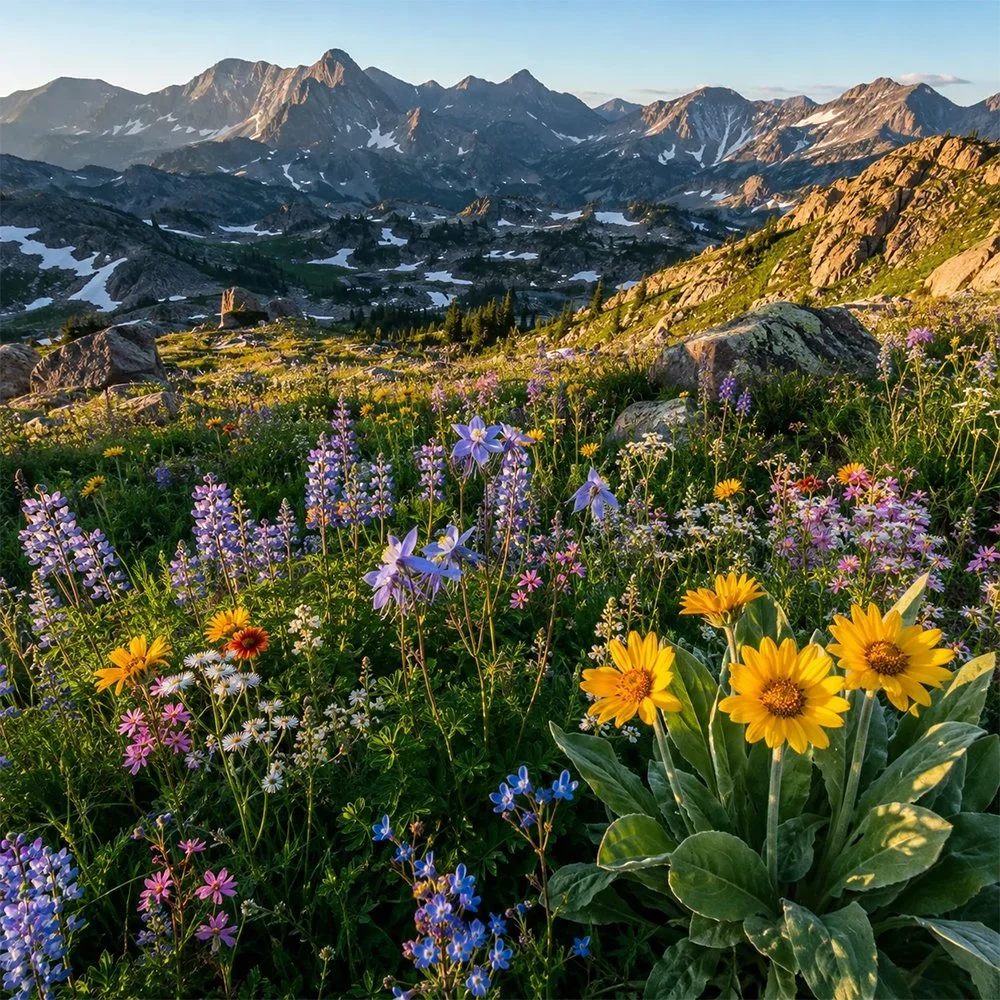 Image 1 of 8
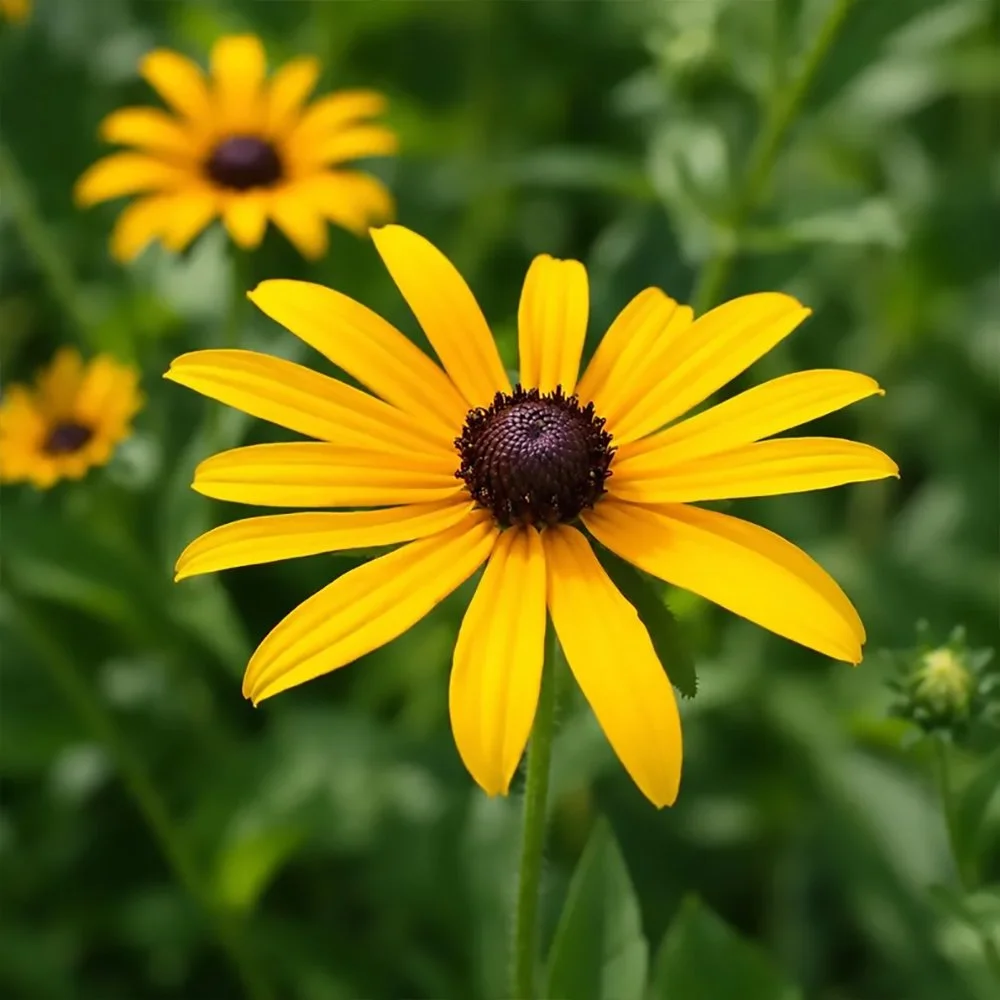 Image 2 of 8
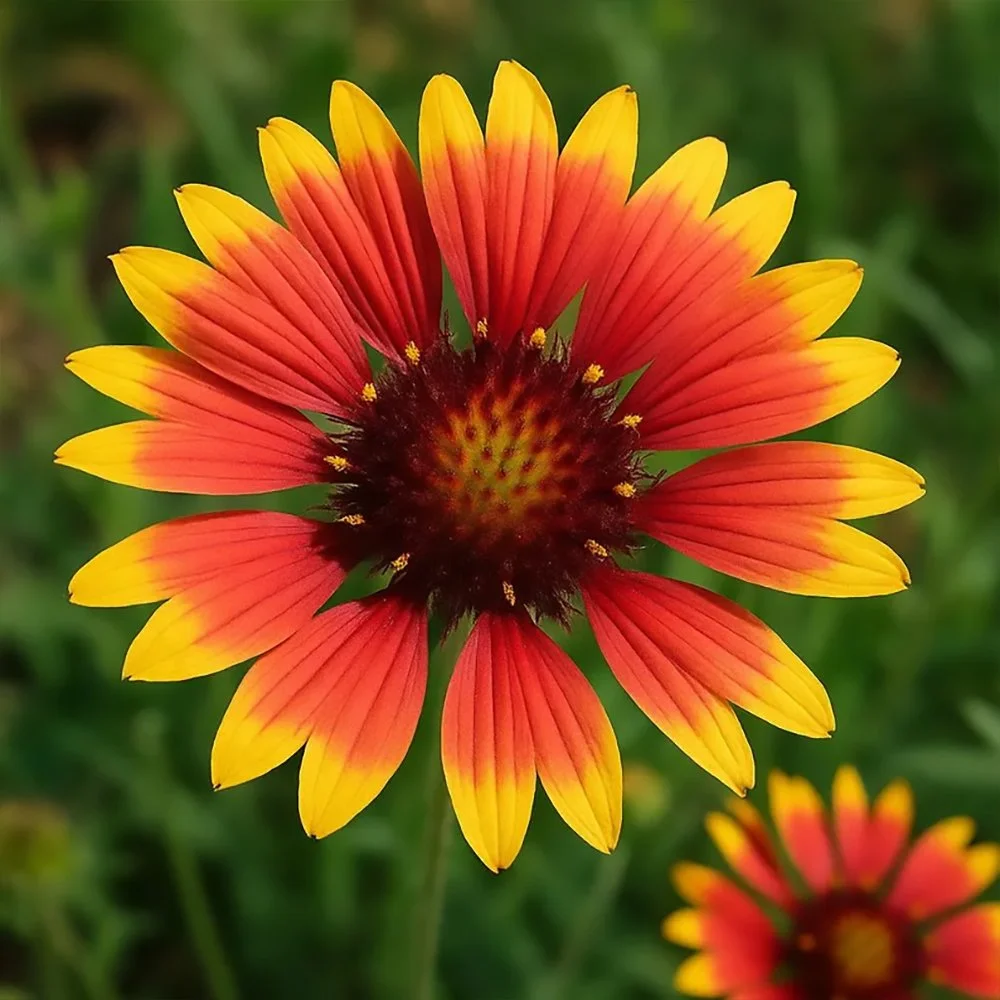 Image 3 of 8
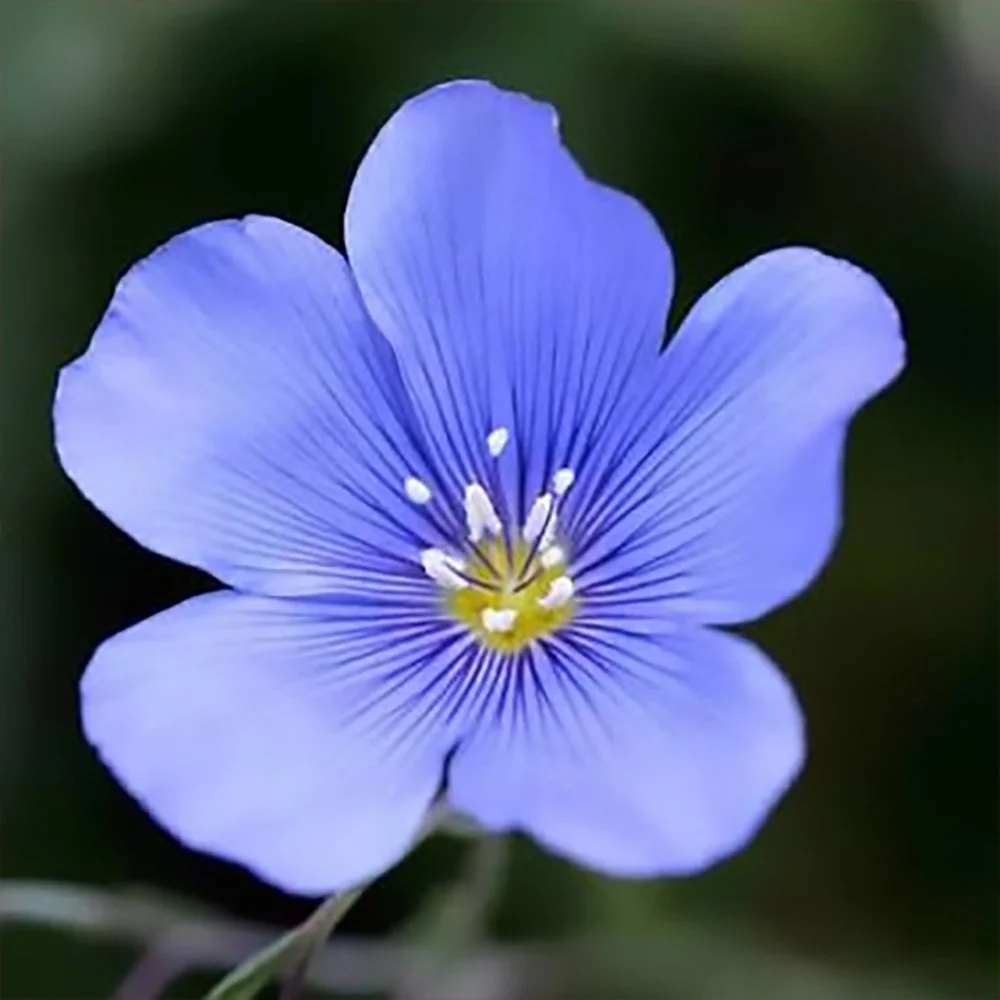 Image 4 of 8
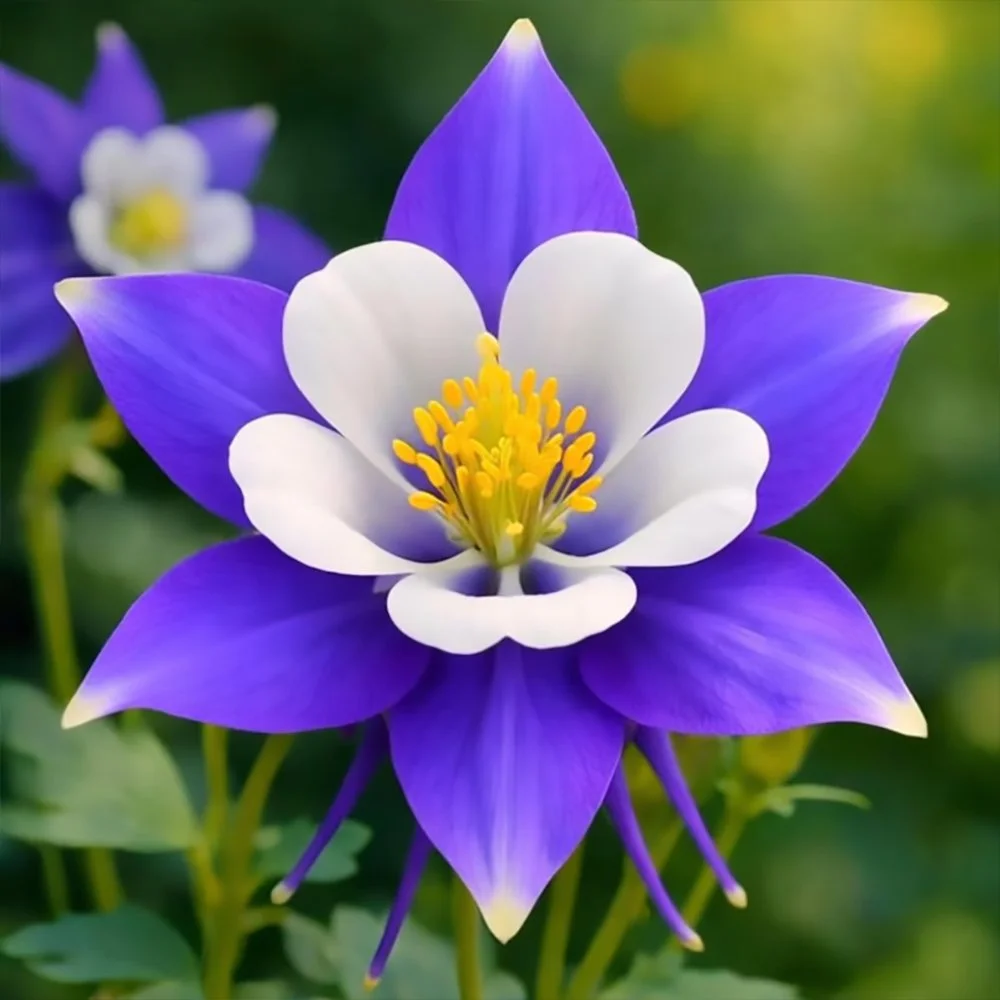 Image 5 of 8
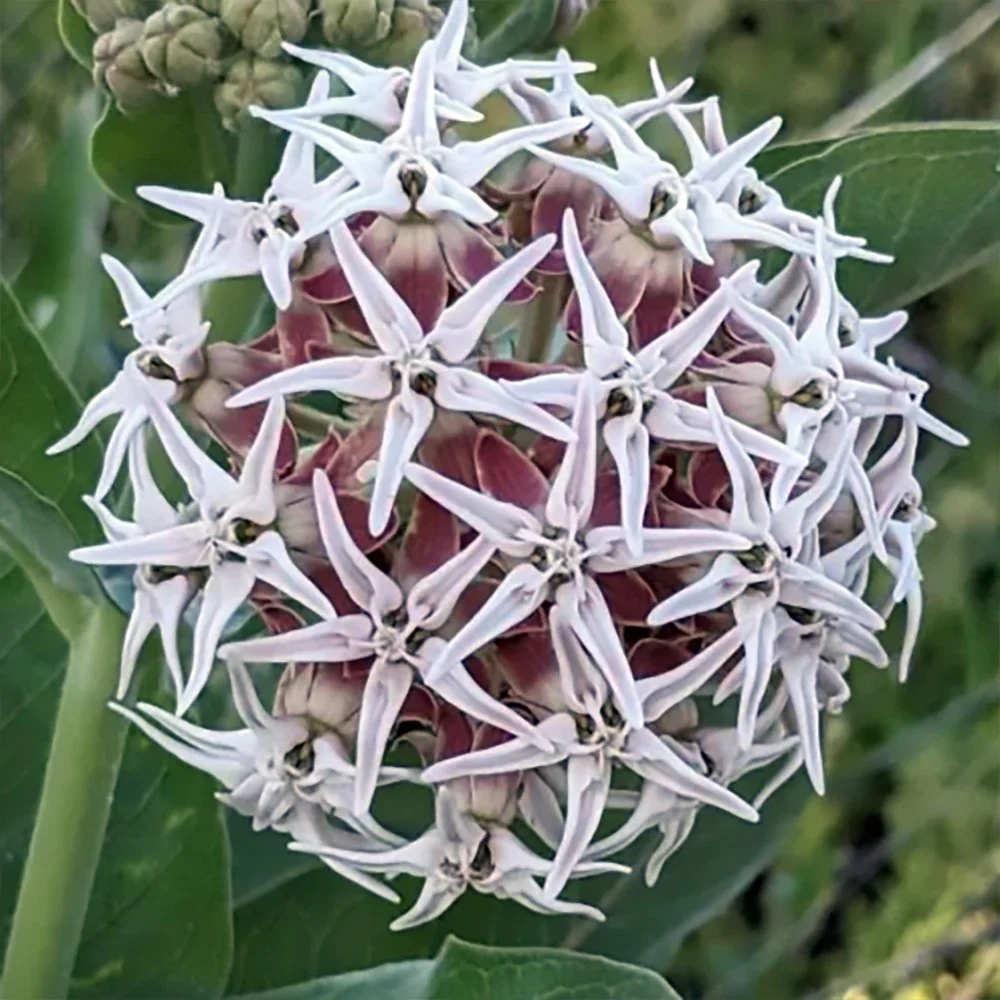 Image 6 of 8
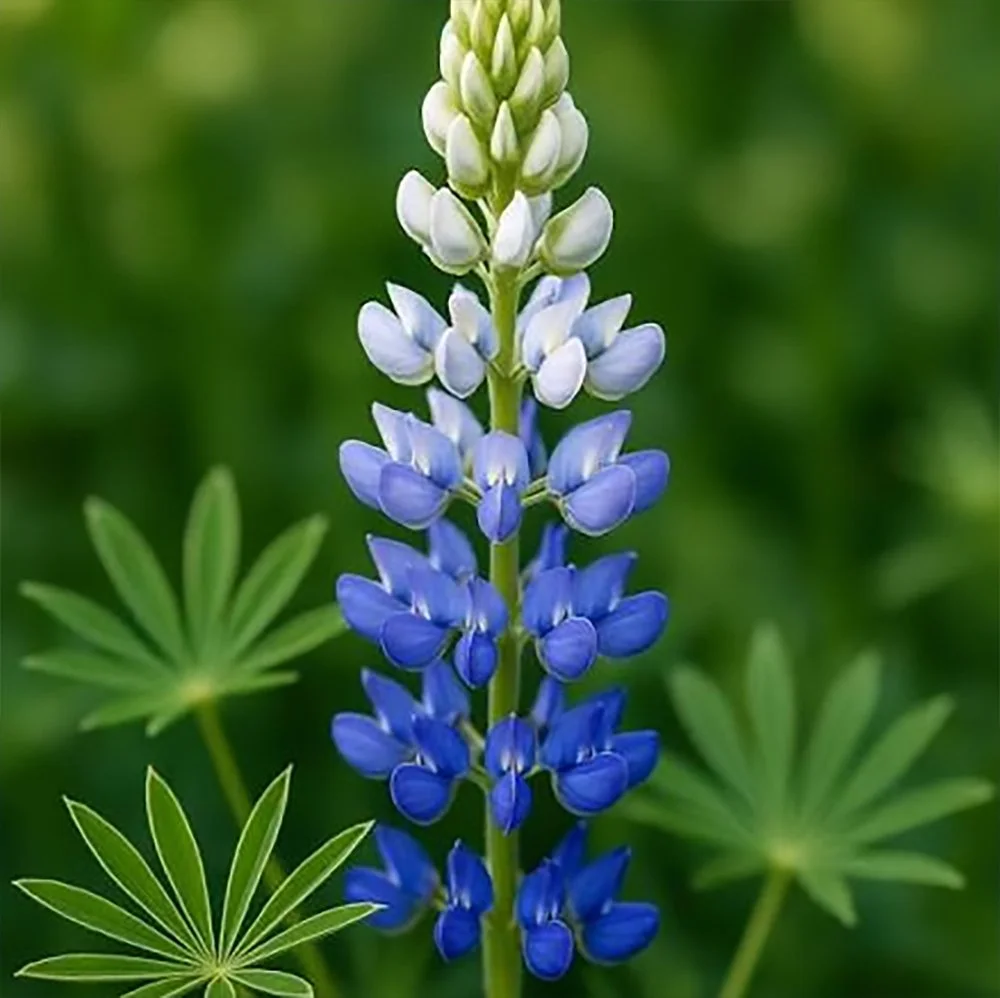 Image 7 of 8
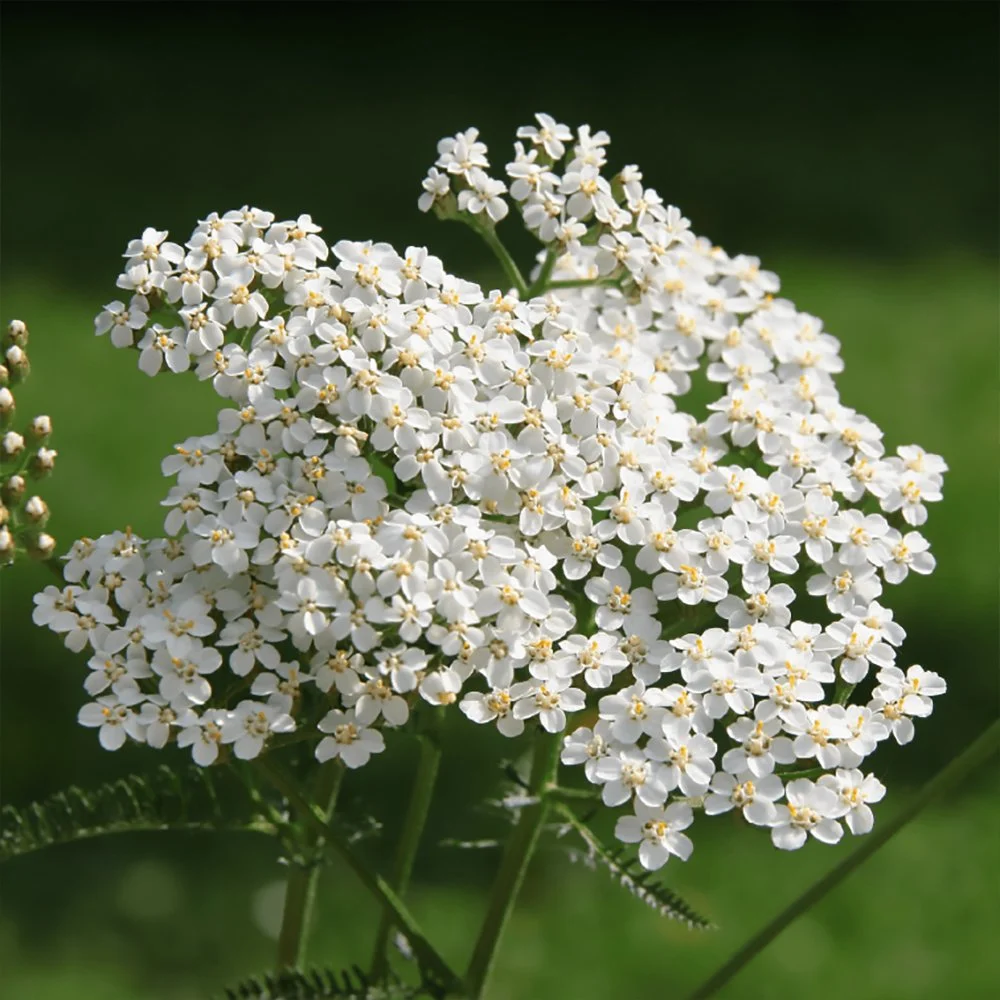 Image 8 of 8