
 Image 1 of 2
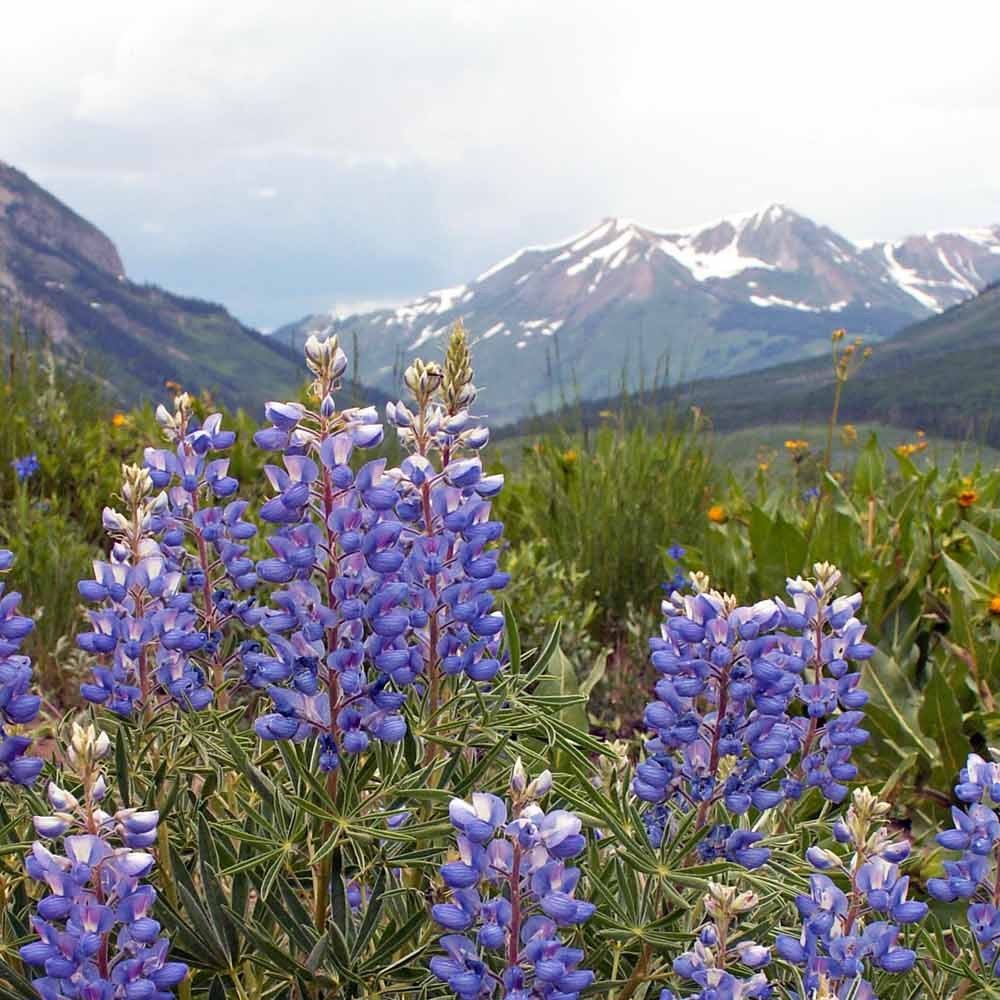 Image 2 of 2
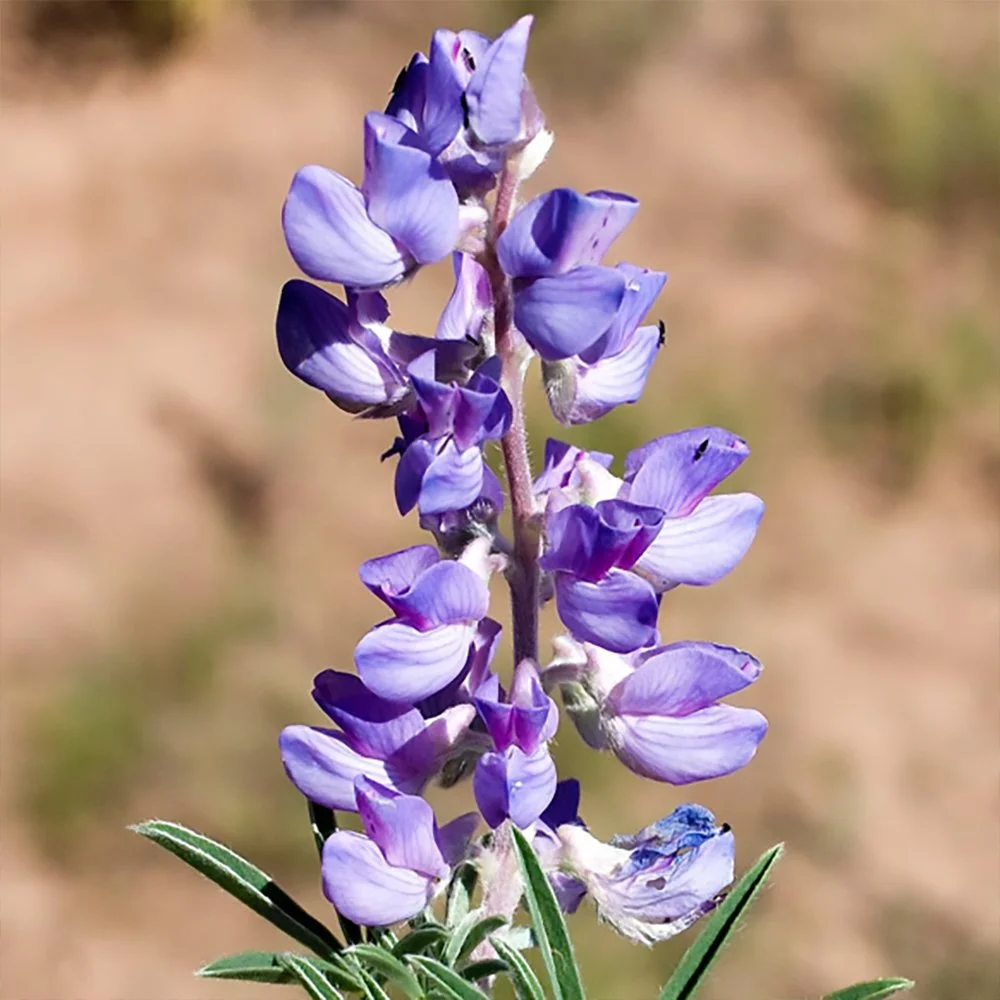
Lupinus argenteus, commonly known as Silvery Lupine or Silver Lupine, is a perennial wildflower native to western North America, including the Rocky Mountains, Sierra Nevada, and Southwest uplands. Its attractive, hand-shaped leaves often have a soft, silvery appearance, providing a lovely backdrop for upright spikes of blue to violet-purple, pea-like flowers. Plants typically reach approximately 1–3 feet tall and 1–2 feet wide, with some growing taller under favorable conditions. Blooming generally occurs from June through August, attracting native bees, including bumblebees, and other pollinators.
Silvery Lupine grows best in full sun to partial shade and well-draining soil. Water regularly during establishment, then provide occasional supplemental irrigation during prolonged dry periods. Established plants are drought tolerant, making them an attractive choice for native meadows, sunny borders, and mountain gardens. Hardiness varies by seed origin; USDA Zones 5–7 provide a conservative garden range, with Zone 5 corresponding to average annual extreme minimum temperatures of approximately −20 to −10°F. In the Southwest, choose cooler foothill and mountain locations and provide afternoon shade in warmer settings. Avoid prolonged extreme low-desert heat and poorly drained soil.
Sow seeds in fall or spring, following your packet’s preparation instructions. Hard seed coats often benefit from scarification—gently rubbing with sandpaper or carefully nicking the coat without damaging the seed inside. Some seed sources also benefit from cold, moist stratification. Keep the seedbed moist during germination and plant in a permanent location whenever possible, as lupines dislike root disturbance.
THIS LISTING IS FOR A PACK OF APPROX. 100 SEEDS (1/10 OZ.)
Lupinus argenteus, commonly known as Silvery Lupine or Silver Lupine, is a perennial wildflower native to western North America, including the Rocky Mountains, Sierra Nevada, and Southwest uplands. Its attractive, hand-shaped leaves often have a soft, silvery appearance, providing a lovely backdrop for upright spikes of blue to violet-purple, pea-like flowers. Plants typically reach approximately 1–3 feet tall and 1–2 feet wide, with some growing taller under favorable conditions. Blooming generally occurs from June through August, attracting native bees, including bumblebees, and other pollinators.
Silvery Lupine grows best in full sun to partial shade and well-draining soil. Water regularly during establishment, then provide occasional supplemental irrigation during prolonged dry periods. Established plants are drought tolerant, making them an attractive choice for native meadows, sunny borders, and mountain gardens. Hardiness varies by seed origin; USDA Zones 5–7 provide a conservative garden range, with Zone 5 corresponding to average annual extreme minimum temperatures of approximately −20 to −10°F. In the Southwest, choose cooler foothill and mountain locations and provide afternoon shade in warmer settings. Avoid prolonged extreme low-desert heat and poorly drained soil.
Sow seeds in fall or spring, following your packet’s preparation instructions. Hard seed coats often benefit from scarification—gently rubbing with sandpaper or carefully nicking the coat without damaging the seed inside. Some seed sources also benefit from cold, moist stratification. Keep the seedbed moist during germination and plant in a permanent location whenever possible, as lupines dislike root disturbance.
THIS LISTING IS FOR A PACK OF APPROX. 100 SEEDS (1/10 OZ.)