
 Image 1 of 2
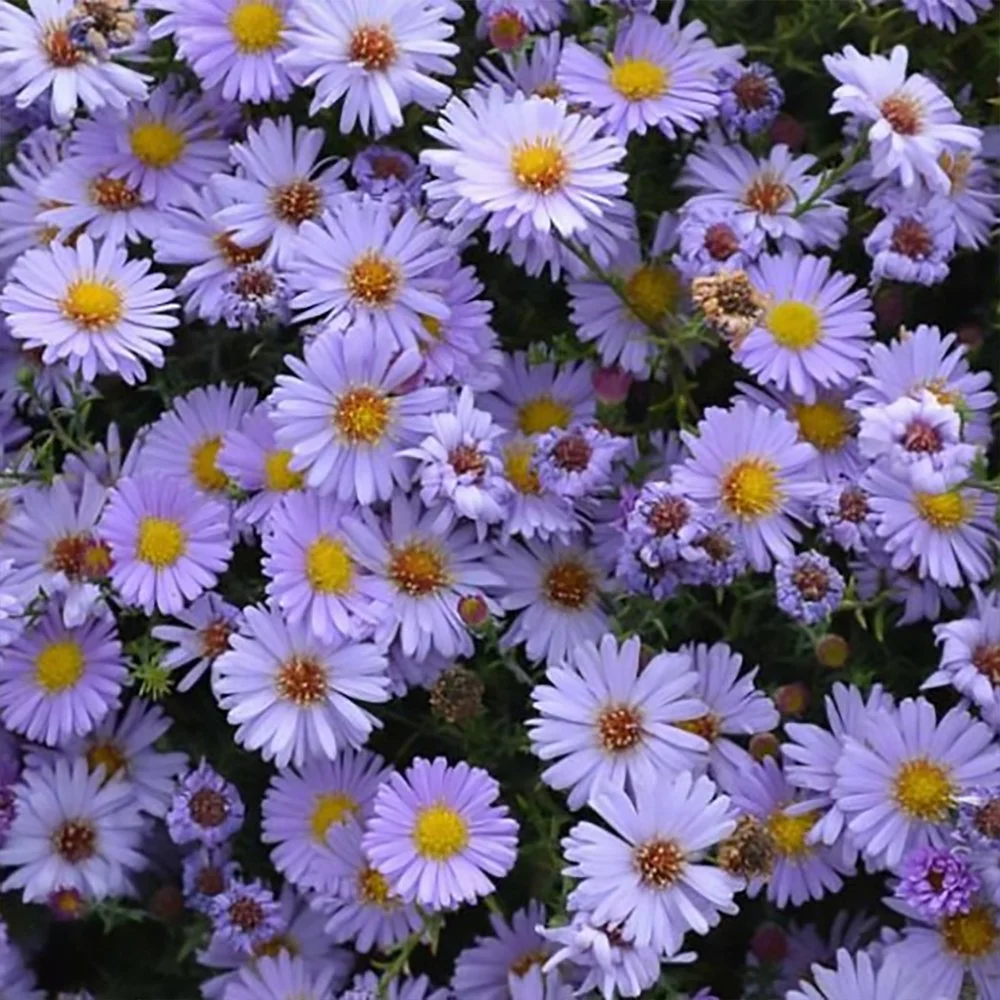 Image 2 of 2
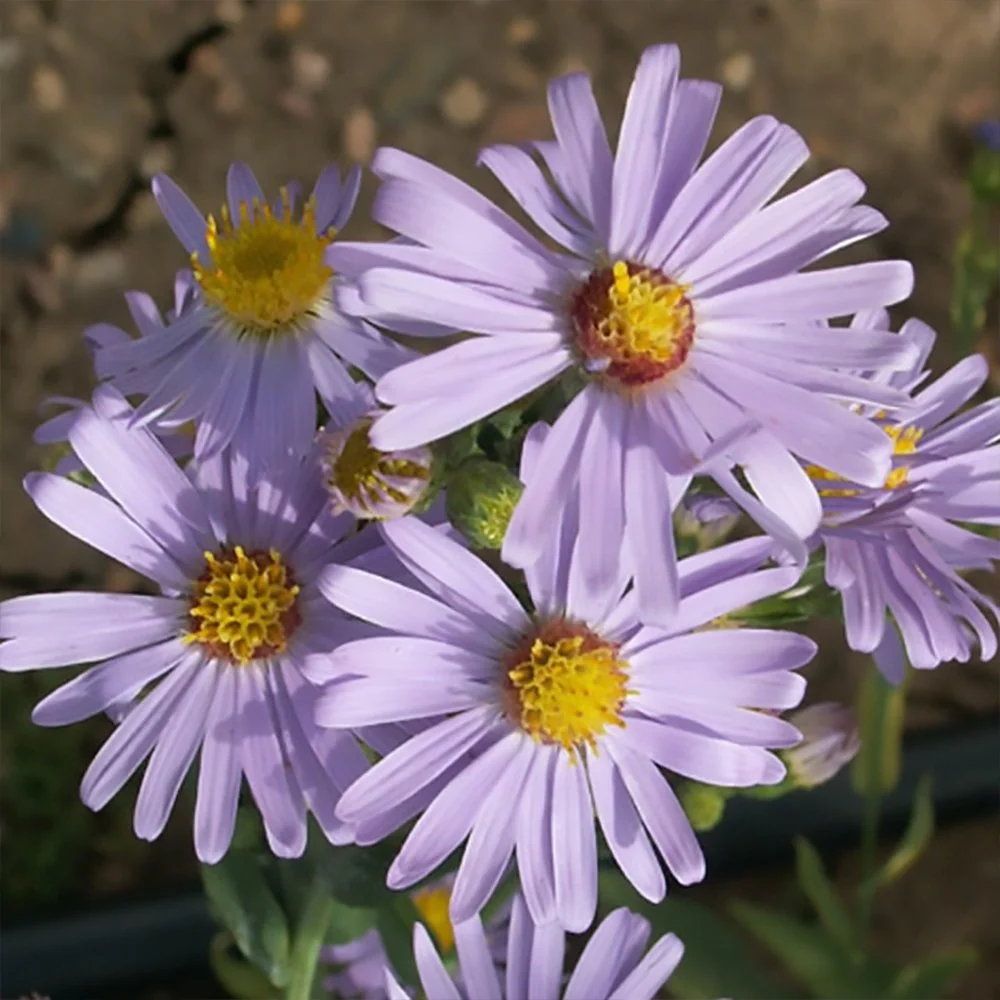
Symphyotrichum laeve, commonly known as Smooth Blue Aster or Smooth Aster, is a hardy perennial wildflower native to much of North America, including parts of Mexico. It forms upright clumps of smooth, blue-green foliage, typically reaching 2–4 feet tall and wide. From late summer into fall, abundant lavender-blue flowers with golden-yellow centers provide welcome color when many earlier wildflowers have finished blooming. The flowers attract bees and butterflies, while birds enjoy the seeds.
Symphyotrichum laeve grows best in full sun but tolerates light shade. Plant in well-draining soil and water regularly while young plants establish. Once established, it tolerates periods of drought, although occasional supplemental watering helps during extended dry weather. In the Southwest, it is especially suited to cooler foothill, high-plateau, and mountain gardens. Hotter locations may require afternoon shade and additional water. Best suited to approximately USDA Zones 4–8, this cold-hardy perennial can gradually spread through short rhizomes and self-seeding.
For seed starting, sow outdoors in fall to take advantage of natural winter chilling. For spring sowing, approximately 30 days of cold, moist stratification can improve germination. Press seeds onto the soil surface without burying them, as light helps germination. Keep the seedbed evenly moist while seedlings develop.
THIS LISTING IS FOR A PACK OF APPROX. 4000 SEEDS (1/10 OZ.)
Symphyotrichum laeve, commonly known as Smooth Blue Aster or Smooth Aster, is a hardy perennial wildflower native to much of North America, including parts of Mexico. It forms upright clumps of smooth, blue-green foliage, typically reaching 2–4 feet tall and wide. From late summer into fall, abundant lavender-blue flowers with golden-yellow centers provide welcome color when many earlier wildflowers have finished blooming. The flowers attract bees and butterflies, while birds enjoy the seeds.
Symphyotrichum laeve grows best in full sun but tolerates light shade. Plant in well-draining soil and water regularly while young plants establish. Once established, it tolerates periods of drought, although occasional supplemental watering helps during extended dry weather. In the Southwest, it is especially suited to cooler foothill, high-plateau, and mountain gardens. Hotter locations may require afternoon shade and additional water. Best suited to approximately USDA Zones 4–8, this cold-hardy perennial can gradually spread through short rhizomes and self-seeding.
For seed starting, sow outdoors in fall to take advantage of natural winter chilling. For spring sowing, approximately 30 days of cold, moist stratification can improve germination. Press seeds onto the soil surface without burying them, as light helps germination. Keep the seedbed evenly moist while seedlings develop.
THIS LISTING IS FOR A PACK OF APPROX. 4000 SEEDS (1/10 OZ.)