
 Image 1 of 3
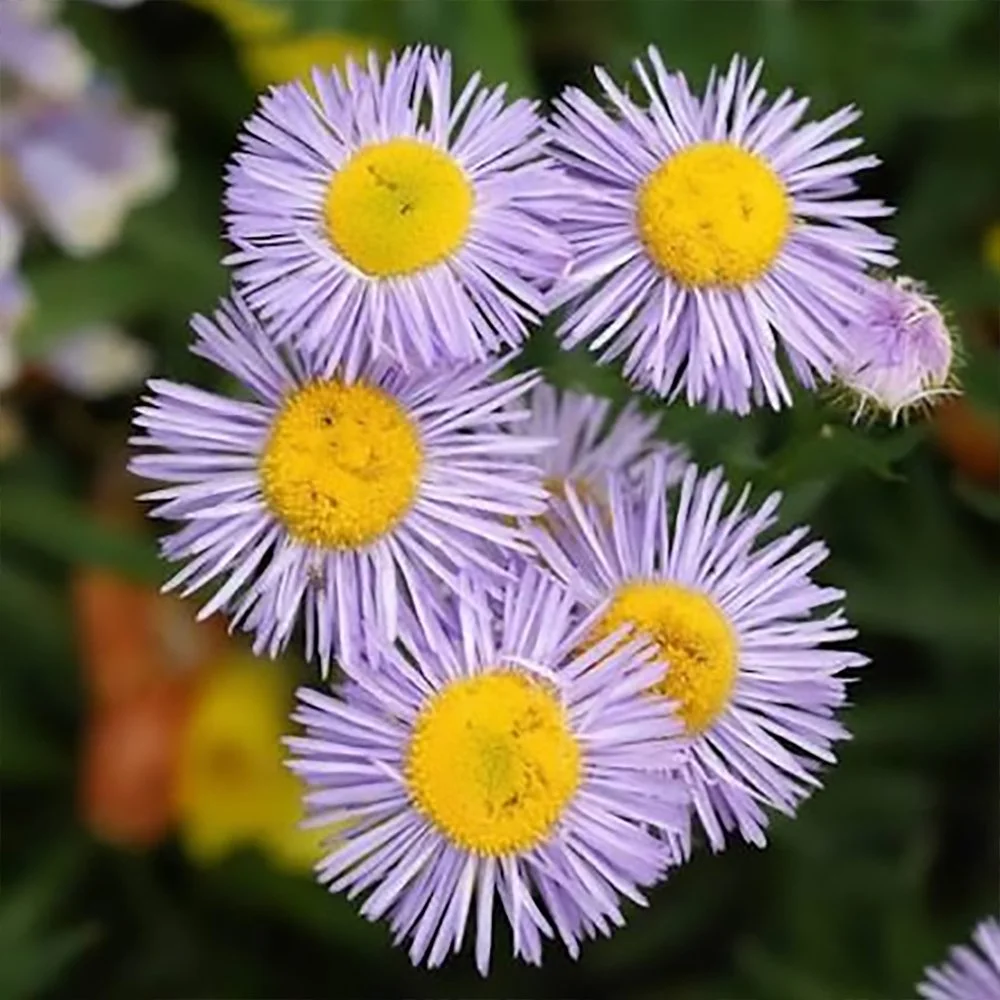 Image 2 of 3
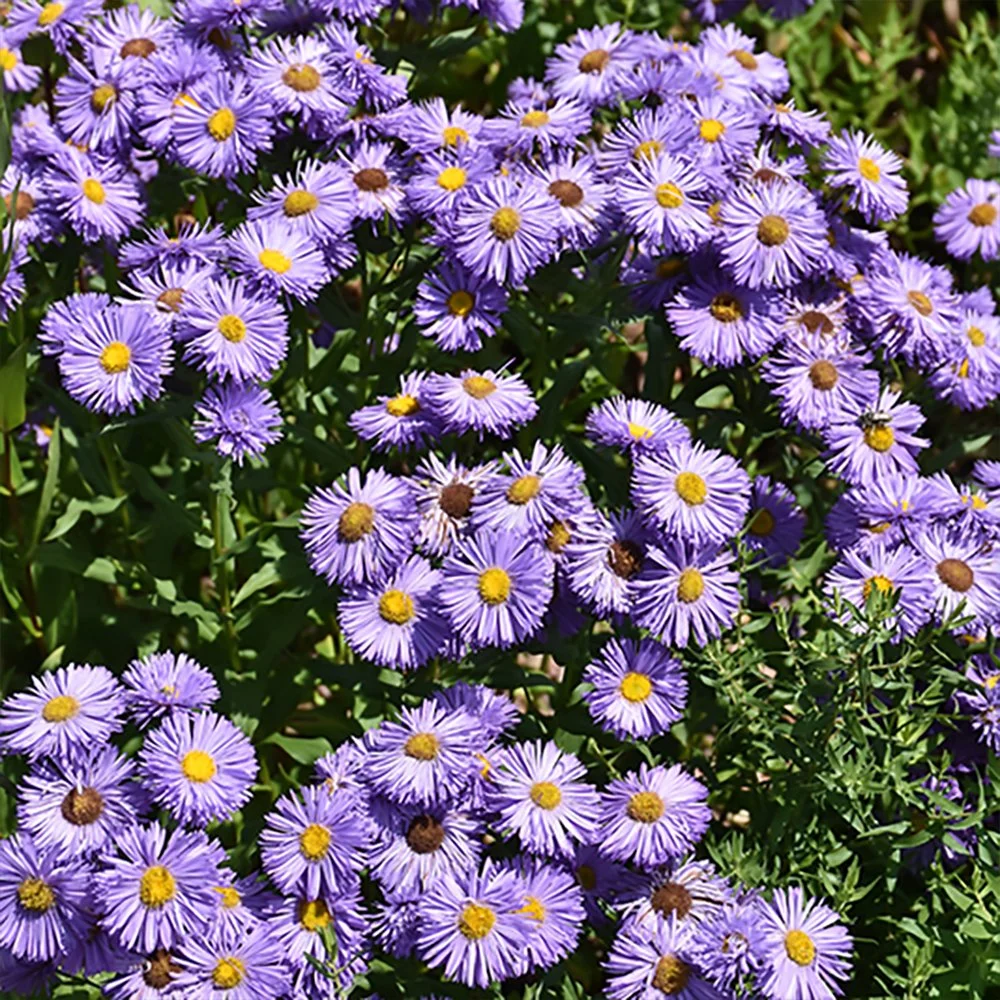 Image 3 of 3
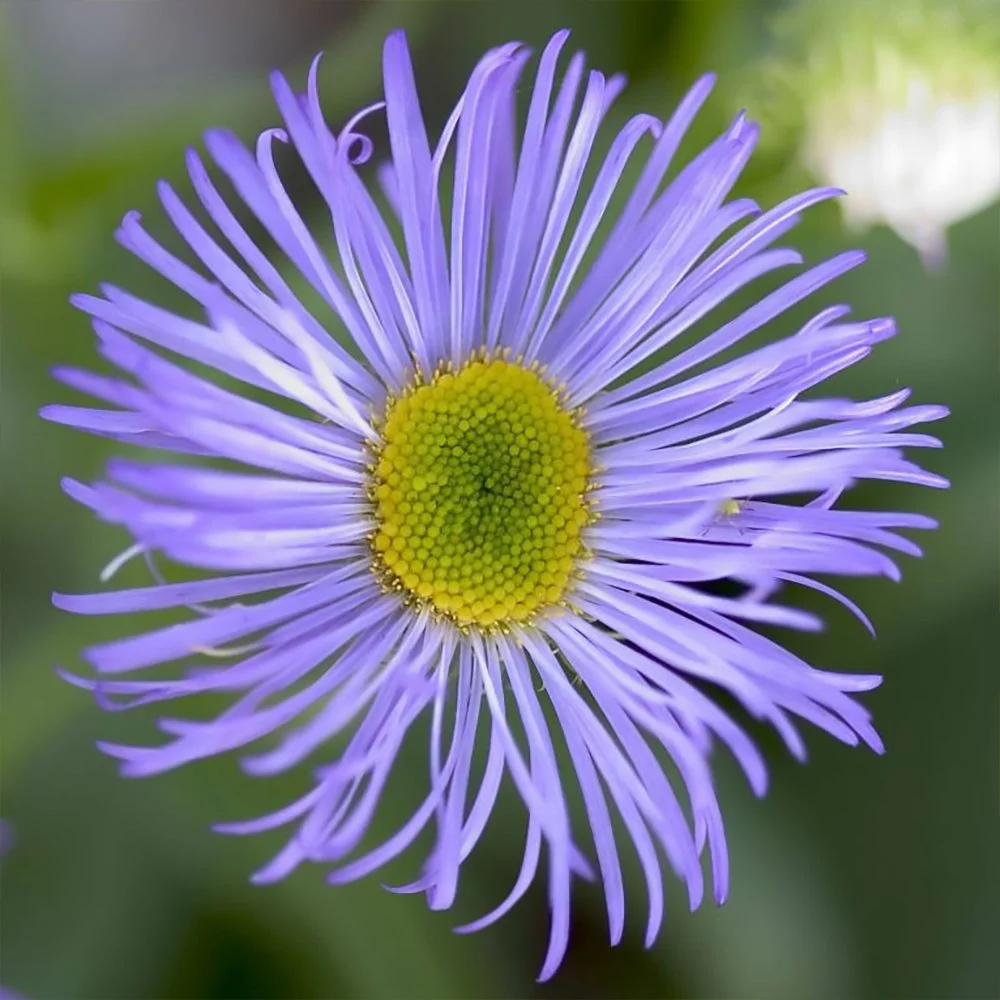
Erigeron speciosus, commonly known as Aspen Fleabane or Showy Fleabane, is a clump-forming perennial wildflower native to western North America, from Canada through the western United States into Mexico. It produces abundant lavender-blue to violet, daisy-like flowers with golden-yellow centers in summer, sometimes continuing into fall. Mature plants typically reach approximately 1–2 feet tall and wide, with some growing taller under favorable conditions. Its colorful blooms attract native bees, butterflies, and other pollinators, making it a lovely addition to mountain gardens, meadow plantings, and cottage-style borders.
Aspen Fleabane grows best in full sun to partial shade and well-draining soil. Provide regular moisture while plants establish, then occasional supplemental watering during dry periods. Although established plants tolerate some drought, flowering is best when the soil does not become excessively dry. Generally suited to USDA Zones 5–7, dormant plants can withstand winter temperatures around −20°F under suitable conditions. In the Southwest, choose cooler foothill and mountain locations; provide afternoon shade during hot weather. This species is better suited to cooler elevations than to prolonged, extreme low-desert heat.
Sow seeds in fall or spring, pressing them onto prepared soil and covering only very lightly. Keep the seedbed gently moist during germination; temperatures around 55–70°F are suitable for many seed lots. Seeds often germinate without pretreatment, although 30–60 days of cold, moist stratification can improve uniformity for some sources.
Keep away from pets that chew plants; ingestion may cause mild digestive upset.
THIS LISTING IS FOR A PACK OF APPROX. 11,800 SEEDS (1/10 OZ.)
Erigeron speciosus, commonly known as Aspen Fleabane or Showy Fleabane, is a clump-forming perennial wildflower native to western North America, from Canada through the western United States into Mexico. It produces abundant lavender-blue to violet, daisy-like flowers with golden-yellow centers in summer, sometimes continuing into fall. Mature plants typically reach approximately 1–2 feet tall and wide, with some growing taller under favorable conditions. Its colorful blooms attract native bees, butterflies, and other pollinators, making it a lovely addition to mountain gardens, meadow plantings, and cottage-style borders.
Aspen Fleabane grows best in full sun to partial shade and well-draining soil. Provide regular moisture while plants establish, then occasional supplemental watering during dry periods. Although established plants tolerate some drought, flowering is best when the soil does not become excessively dry. Generally suited to USDA Zones 5–7, dormant plants can withstand winter temperatures around −20°F under suitable conditions. In the Southwest, choose cooler foothill and mountain locations; provide afternoon shade during hot weather. This species is better suited to cooler elevations than to prolonged, extreme low-desert heat.
Sow seeds in fall or spring, pressing them onto prepared soil and covering only very lightly. Keep the seedbed gently moist during germination; temperatures around 55–70°F are suitable for many seed lots. Seeds often germinate without pretreatment, although 30–60 days of cold, moist stratification can improve uniformity for some sources.
Keep away from pets that chew plants; ingestion may cause mild digestive upset.
THIS LISTING IS FOR A PACK OF APPROX. 11,800 SEEDS (1/10 OZ.)