

 Image 1 of 3
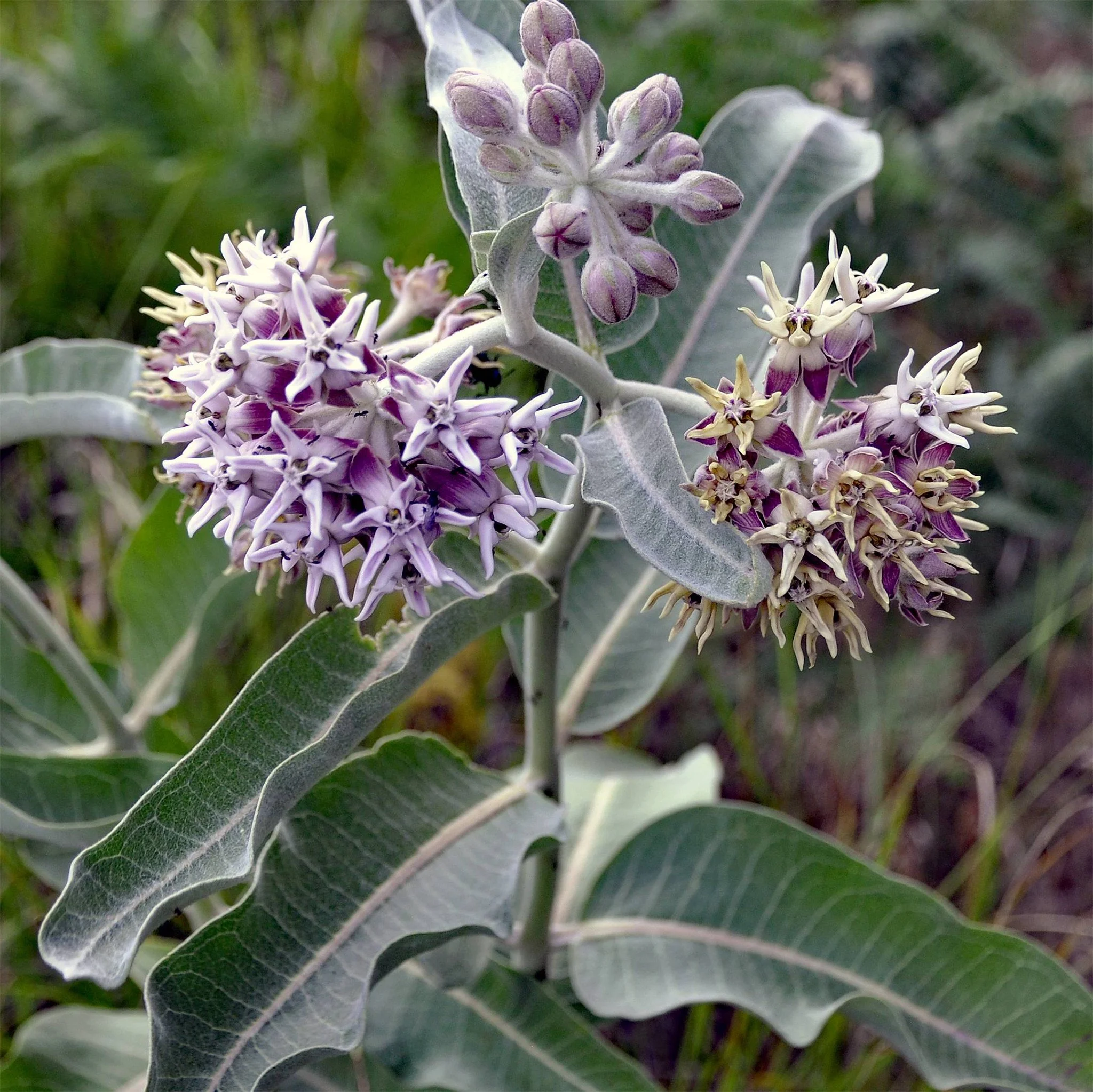 Image 2 of 3
 Image 3 of 3
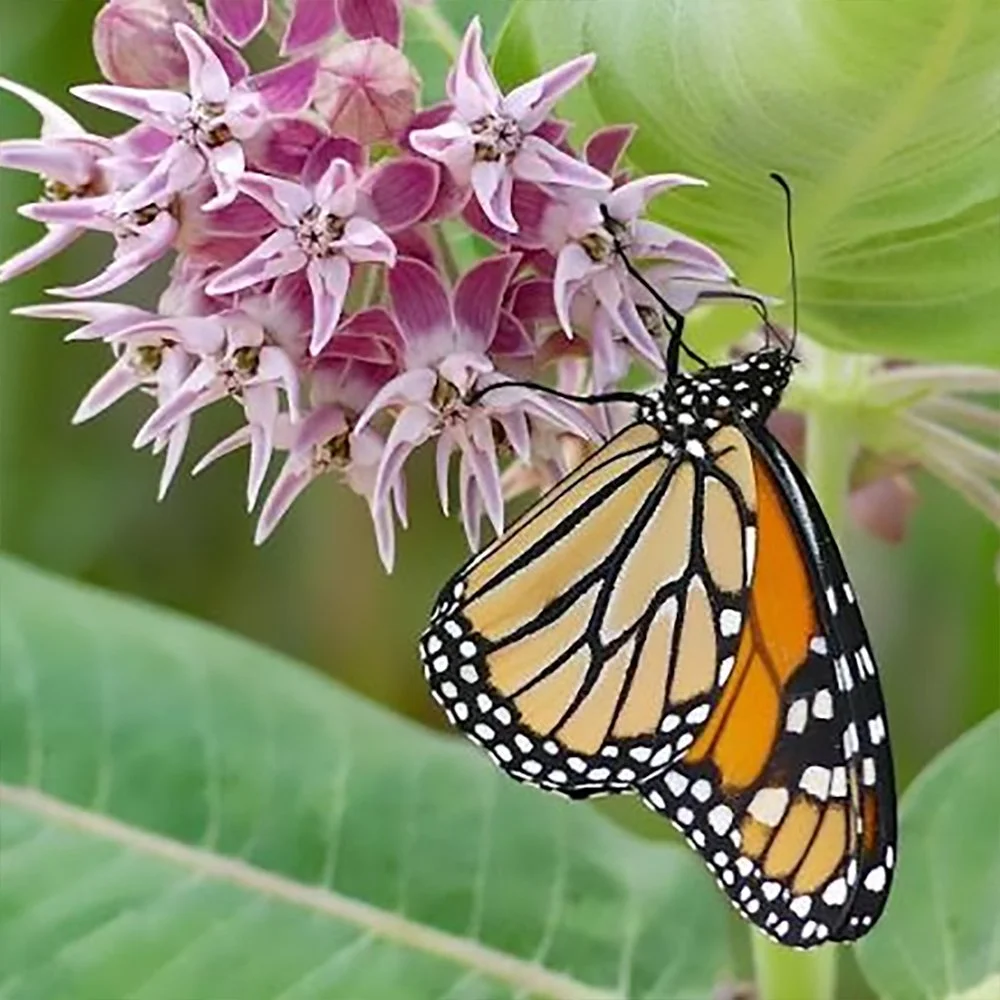
Showy Milkweed (Asclepias speciosa) is a striking Western native prized for its large, soft-green leaves and clusters of fragrant, star-shaped pink to rosy-purple flowers. Native to much of the western United States and parts of Canada, it is an excellent choice for native plant gardens, pollinator gardens, meadow plantings, and naturalized landscapes. Its showy blooms attract butterflies, bees, and other beneficial pollinators, while the foliage provides an important food source for monarch and other milkweed-associated caterpillars. Mature plants typically reach 2–5 feet tall and 1–3 feet wide. Best suited to USDA Zones 3–9, it thrives in full sun and well-draining soil and becomes increasingly drought-tolerant once established. Established plants can tolerate summer temperatures around 95–105°F and winter temperatures near -30 to -20°F, depending on local conditions. Water regularly during establishment, then reduce watering as plants become established.
Stratification & Germination: Showy Milkweed seeds often benefit from cold, moist stratification, which can help break dormancy and improve germination. For best results, place seeds in a lightly moistened medium and refrigerate them for approximately 30–60 days before sowing. After stratification, sow seeds on the surface of a well-draining seed-starting mix and press them gently into the soil rather than covering them deeply, as milkweed seeds need light to germinate. Keep the growing medium evenly moist but not waterlogged and provide bright light and warm conditions. Germination may be uneven and can take several weeks, so be patient and continue caring for the seed tray while additional seedlings emerge. Fresh seed generally produces the most reliable results, and seedlings should be transplanted carefully after they have developed several sets of true leaves.
THIS LISTING IS FOR A PACKET OF 25 SEEDS.
Showy Milkweed (Asclepias speciosa) is a striking Western native prized for its large, soft-green leaves and clusters of fragrant, star-shaped pink to rosy-purple flowers. Native to much of the western United States and parts of Canada, it is an excellent choice for native plant gardens, pollinator gardens, meadow plantings, and naturalized landscapes. Its showy blooms attract butterflies, bees, and other beneficial pollinators, while the foliage provides an important food source for monarch and other milkweed-associated caterpillars. Mature plants typically reach 2–5 feet tall and 1–3 feet wide. Best suited to USDA Zones 3–9, it thrives in full sun and well-draining soil and becomes increasingly drought-tolerant once established. Established plants can tolerate summer temperatures around 95–105°F and winter temperatures near -30 to -20°F, depending on local conditions. Water regularly during establishment, then reduce watering as plants become established.
Stratification & Germination: Showy Milkweed seeds often benefit from cold, moist stratification, which can help break dormancy and improve germination. For best results, place seeds in a lightly moistened medium and refrigerate them for approximately 30–60 days before sowing. After stratification, sow seeds on the surface of a well-draining seed-starting mix and press them gently into the soil rather than covering them deeply, as milkweed seeds need light to germinate. Keep the growing medium evenly moist but not waterlogged and provide bright light and warm conditions. Germination may be uneven and can take several weeks, so be patient and continue caring for the seed tray while additional seedlings emerge. Fresh seed generally produces the most reliable results, and seedlings should be transplanted carefully after they have developed several sets of true leaves.
THIS LISTING IS FOR A PACKET OF 25 SEEDS.