

 Image 1 of 4
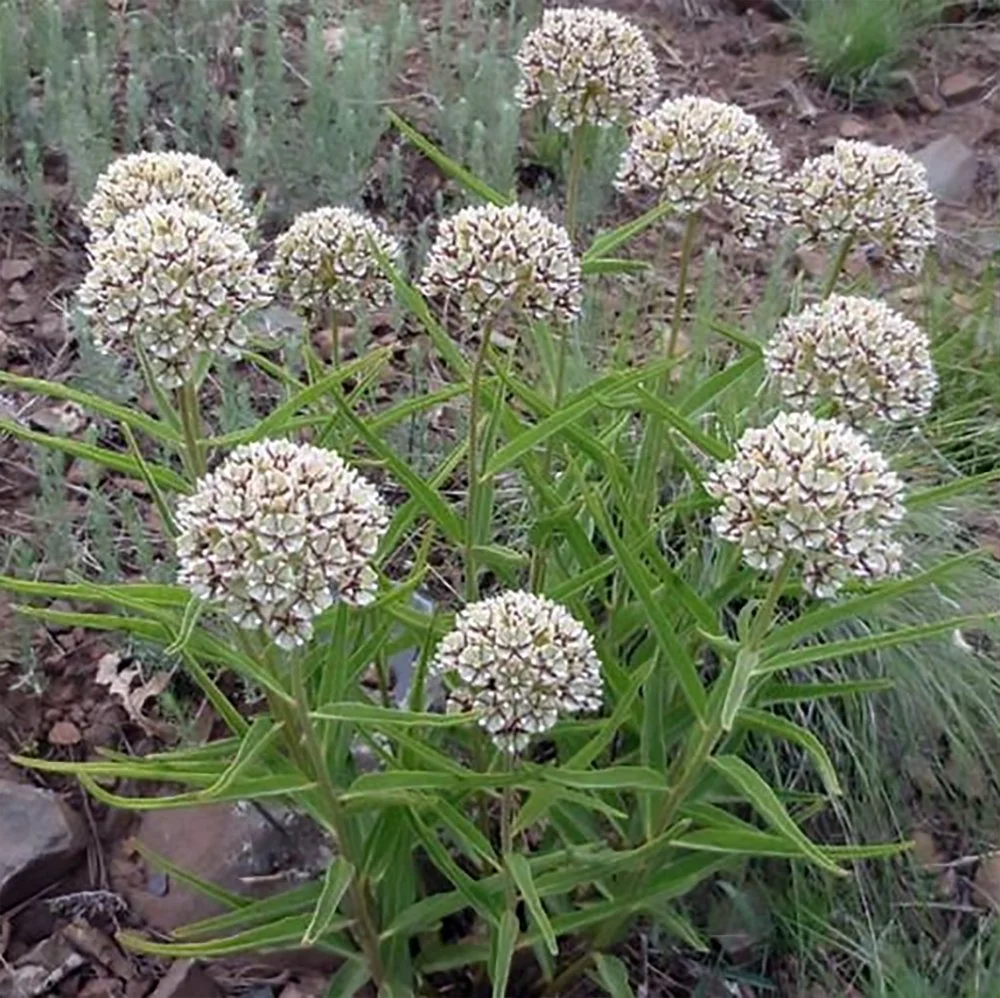 Image 2 of 4
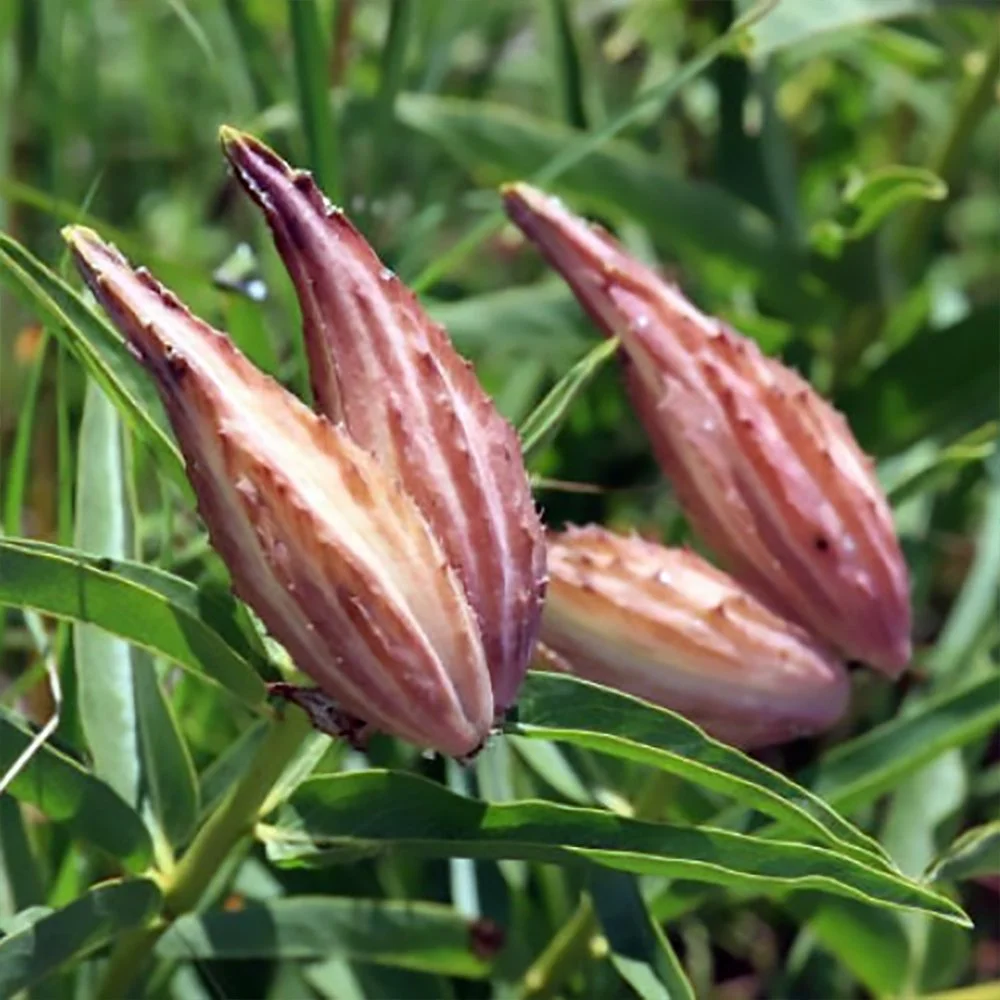 Image 3 of 4
 Image 4 of 4
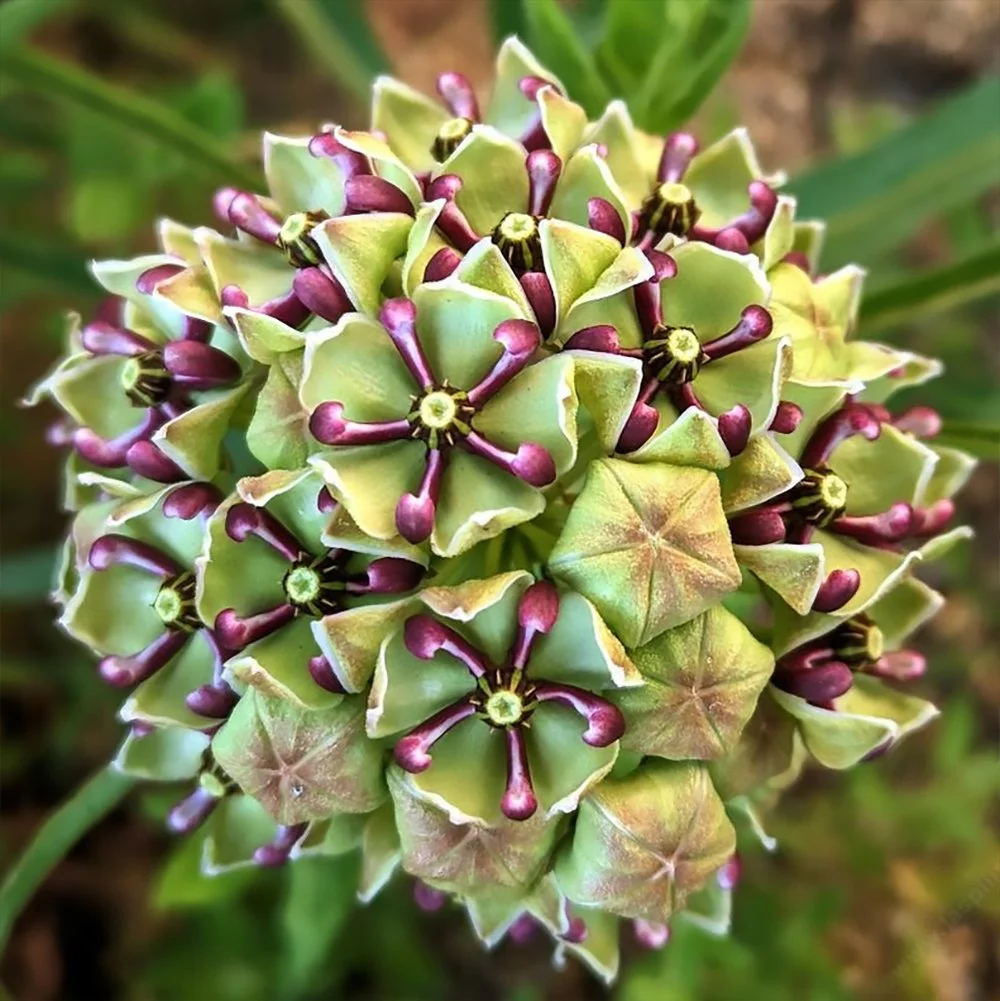
Antelope Horns Milkweed (Asclepias asperula) is a distinctive Southwestern native prized for its narrow, upright foliage and unusual clusters of greenish-yellow flowers accented with maroon to purple tones. Native across much of the central and southwestern United States, it is an excellent choice for dry Western landscapes, native plant gardens, pollinator gardens, xeriscapes, and wildlife habitats within its natural range. The plant gets its common name from its long, curved seed pods, which resemble the horns of an antelope. Mature plants typically reach 1–3 feet tall and 1–2 feet wide, forming an attractive, spreading to upright clump. Best suited to USDA Zones 6–10, it thrives in full sun and well-draining soil and is highly adapted to hot, dry conditions once established. Established plants can tolerate summer temperatures around 95–110°F and cold temperatures near -10 to 0°F, depending on conditions and local ecotype. In colder climates, the plant may die back to the ground during winter and regrow from its root system in spring. Water regularly while establishing, then gradually reduce watering as plants become established.
Stratification & Germination: Asclepias asperula seeds can benefit from cold, moist stratification, which helps overcome dormancy and may improve germination. For best results, place seeds in a lightly moistened medium and refrigerate them for approximately 30 days before sowing. After stratification, sow the seeds on the surface of a well-draining seed-starting mix and press them gently into the soil rather than covering them deeply, as milkweed seeds need light to germinate. Keep the medium evenly moist but not saturated and provide warmth and bright light. Germination may be somewhat irregular, so allow several weeks for seedlings to emerge and avoid discarding seed trays too early. Fresh seed generally provides the best germination, and seedlings should be transplanted carefully once they are well established.
Milkweed contains toxic cardiac glycosides and should be kept away from pets, livestock, and children.
THIS LISTING IS FOR A PACKET OF 25 SEEDS.
Antelope Horns Milkweed (Asclepias asperula) is a distinctive Southwestern native prized for its narrow, upright foliage and unusual clusters of greenish-yellow flowers accented with maroon to purple tones. Native across much of the central and southwestern United States, it is an excellent choice for dry Western landscapes, native plant gardens, pollinator gardens, xeriscapes, and wildlife habitats within its natural range. The plant gets its common name from its long, curved seed pods, which resemble the horns of an antelope. Mature plants typically reach 1–3 feet tall and 1–2 feet wide, forming an attractive, spreading to upright clump. Best suited to USDA Zones 6–10, it thrives in full sun and well-draining soil and is highly adapted to hot, dry conditions once established. Established plants can tolerate summer temperatures around 95–110°F and cold temperatures near -10 to 0°F, depending on conditions and local ecotype. In colder climates, the plant may die back to the ground during winter and regrow from its root system in spring. Water regularly while establishing, then gradually reduce watering as plants become established.
Stratification & Germination: Asclepias asperula seeds can benefit from cold, moist stratification, which helps overcome dormancy and may improve germination. For best results, place seeds in a lightly moistened medium and refrigerate them for approximately 30 days before sowing. After stratification, sow the seeds on the surface of a well-draining seed-starting mix and press them gently into the soil rather than covering them deeply, as milkweed seeds need light to germinate. Keep the medium evenly moist but not saturated and provide warmth and bright light. Germination may be somewhat irregular, so allow several weeks for seedlings to emerge and avoid discarding seed trays too early. Fresh seed generally provides the best germination, and seedlings should be transplanted carefully once they are well established.
Milkweed contains toxic cardiac glycosides and should be kept away from pets, livestock, and children.
THIS LISTING IS FOR A PACKET OF 25 SEEDS.